Steam Trailer showcasing the part of the cinematic and gameplay.
Responsibilities
I was the director for this project and pitched the original idea.
As well as the principle character rigger, blueprint programmer, level designer, technical artist, and concept artist.
As well as the principle character rigger, blueprint programmer, level designer, technical artist, and concept artist.
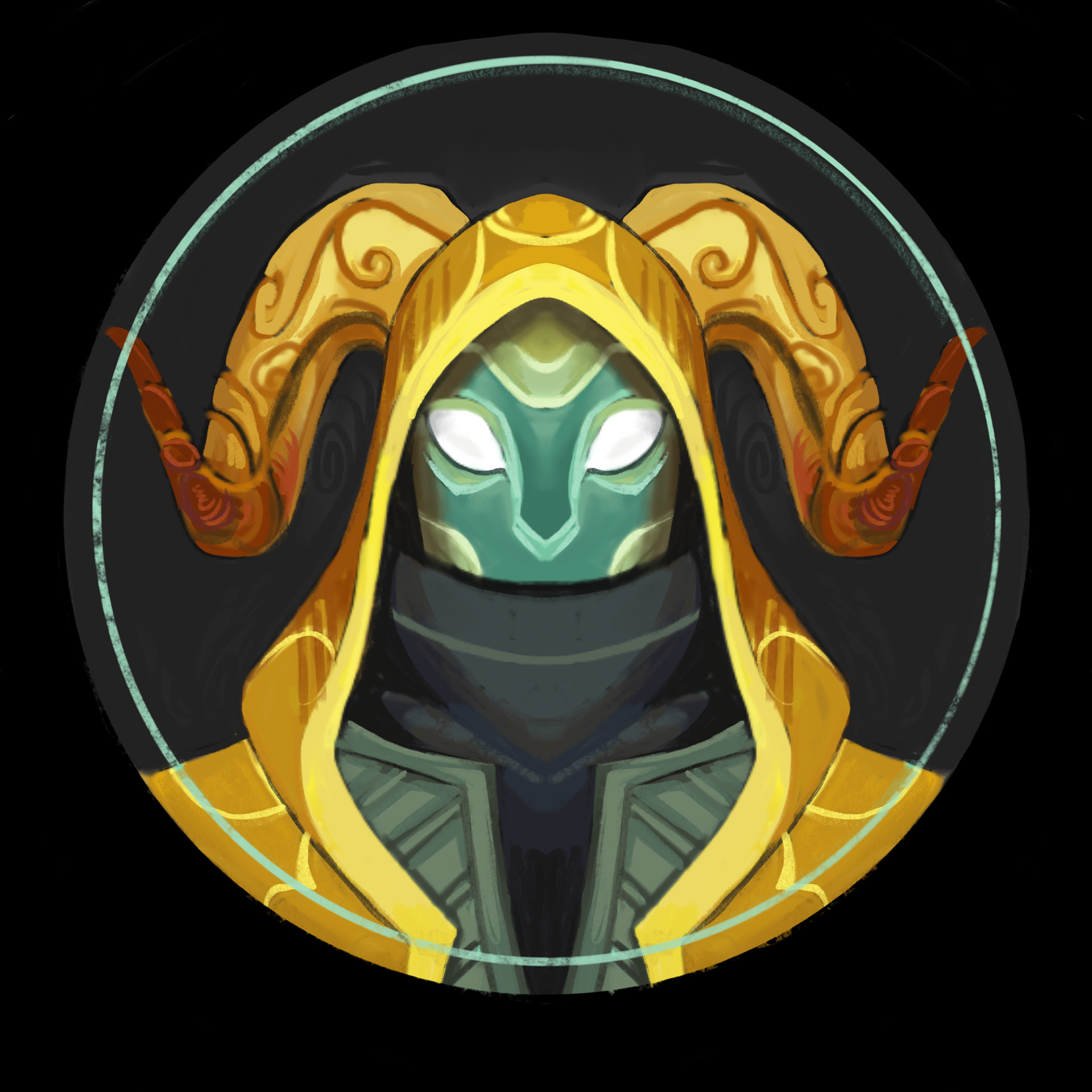
Icon (c) E.G.
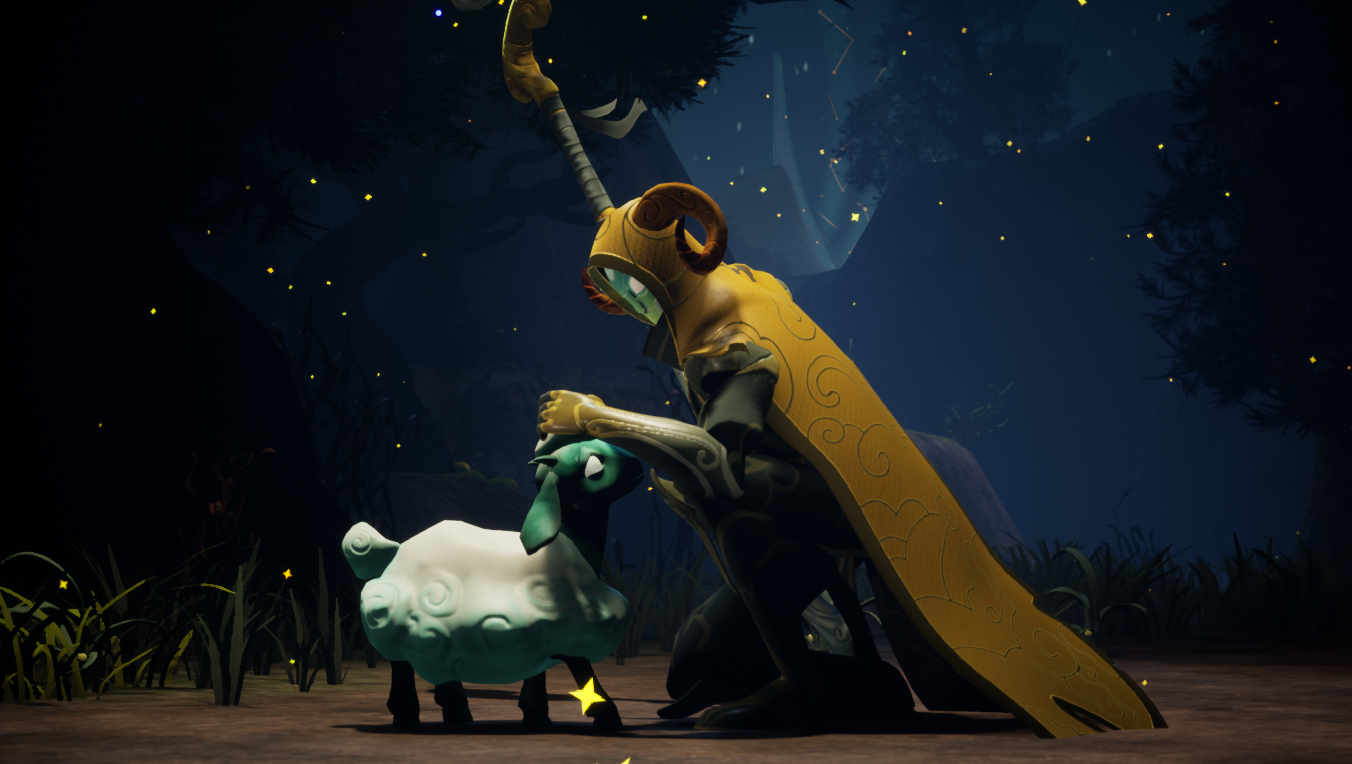
Cinematography shot (c) Kenna Camire
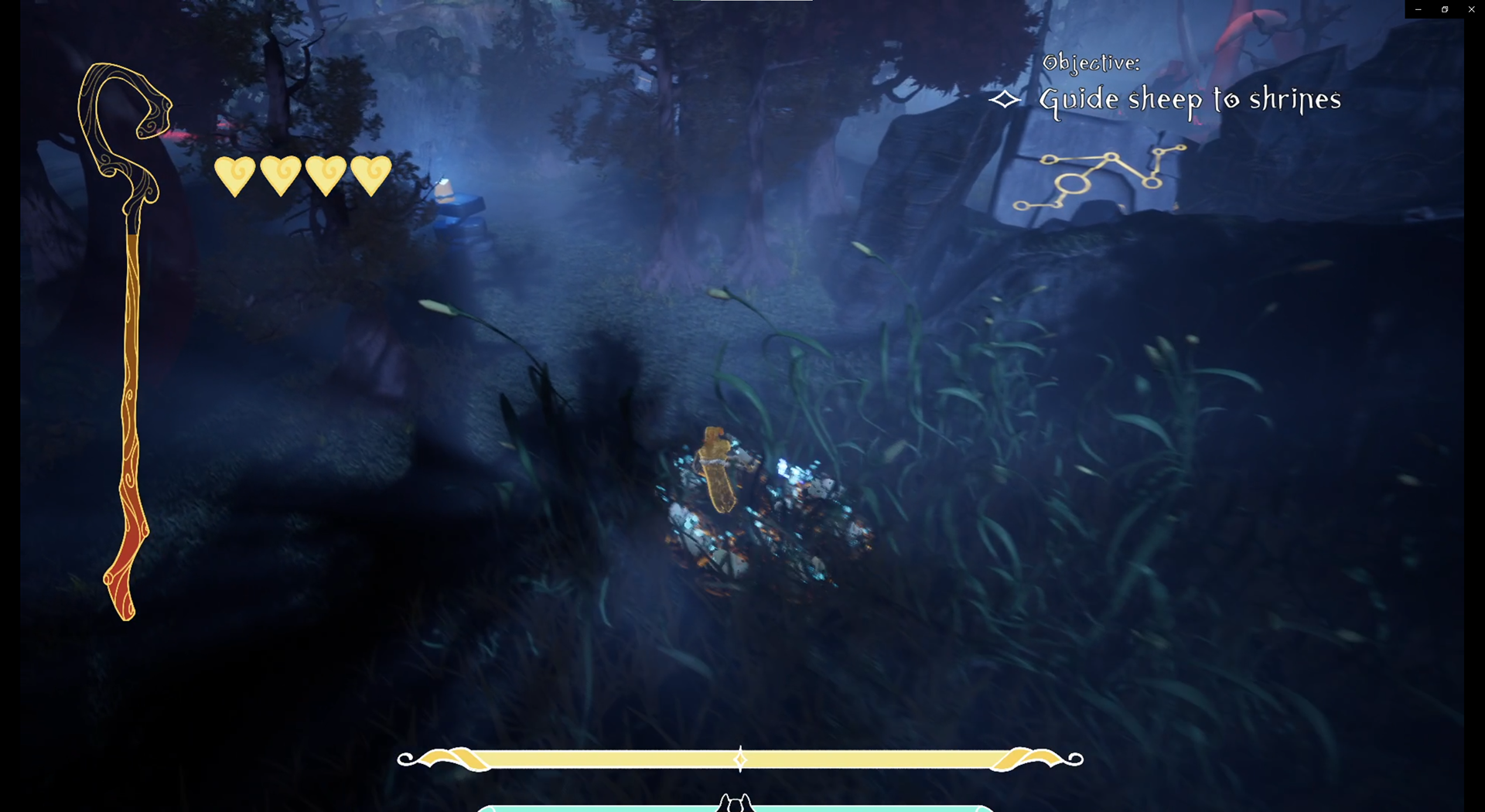
Level Design (c) E.G. and Hannah Decker
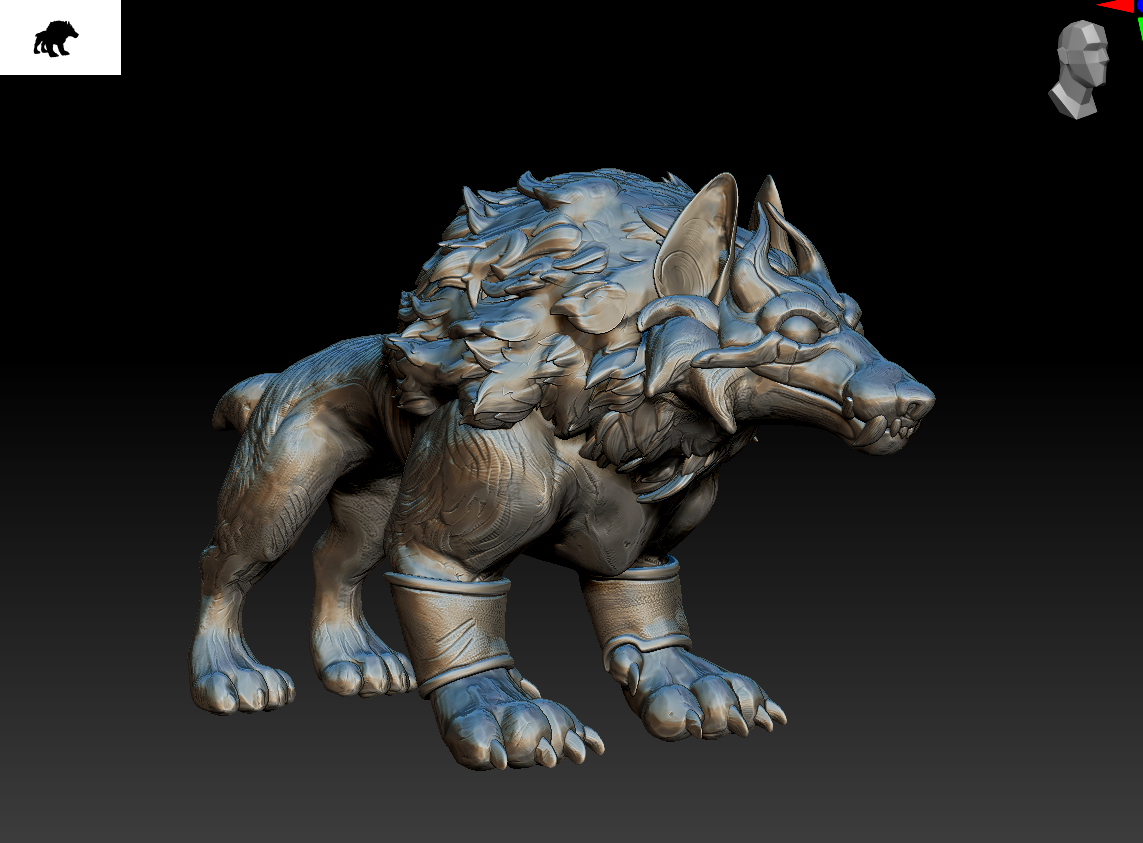
Character Sculpt (c) E.G.
Rigging Solutions for the main player
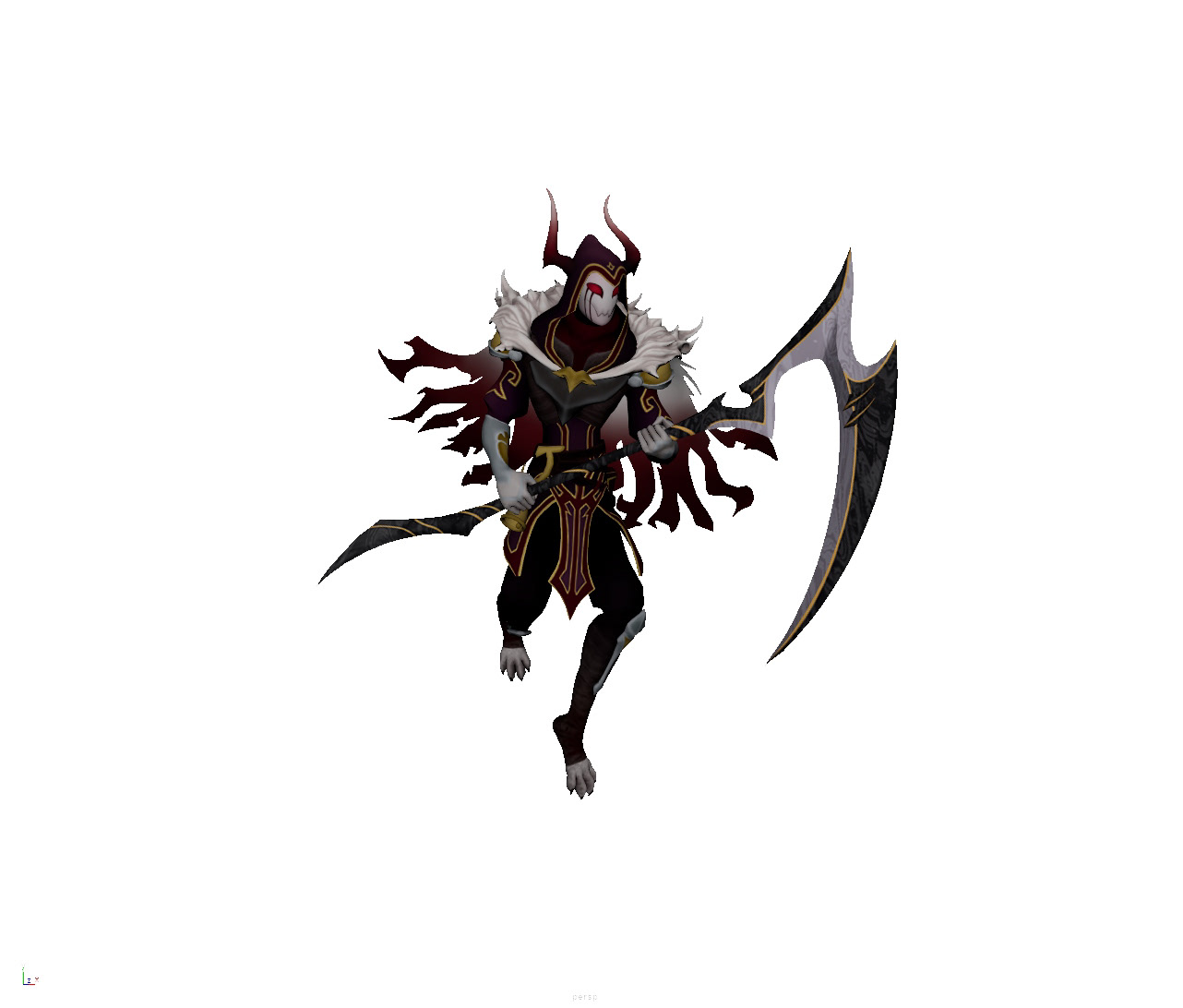
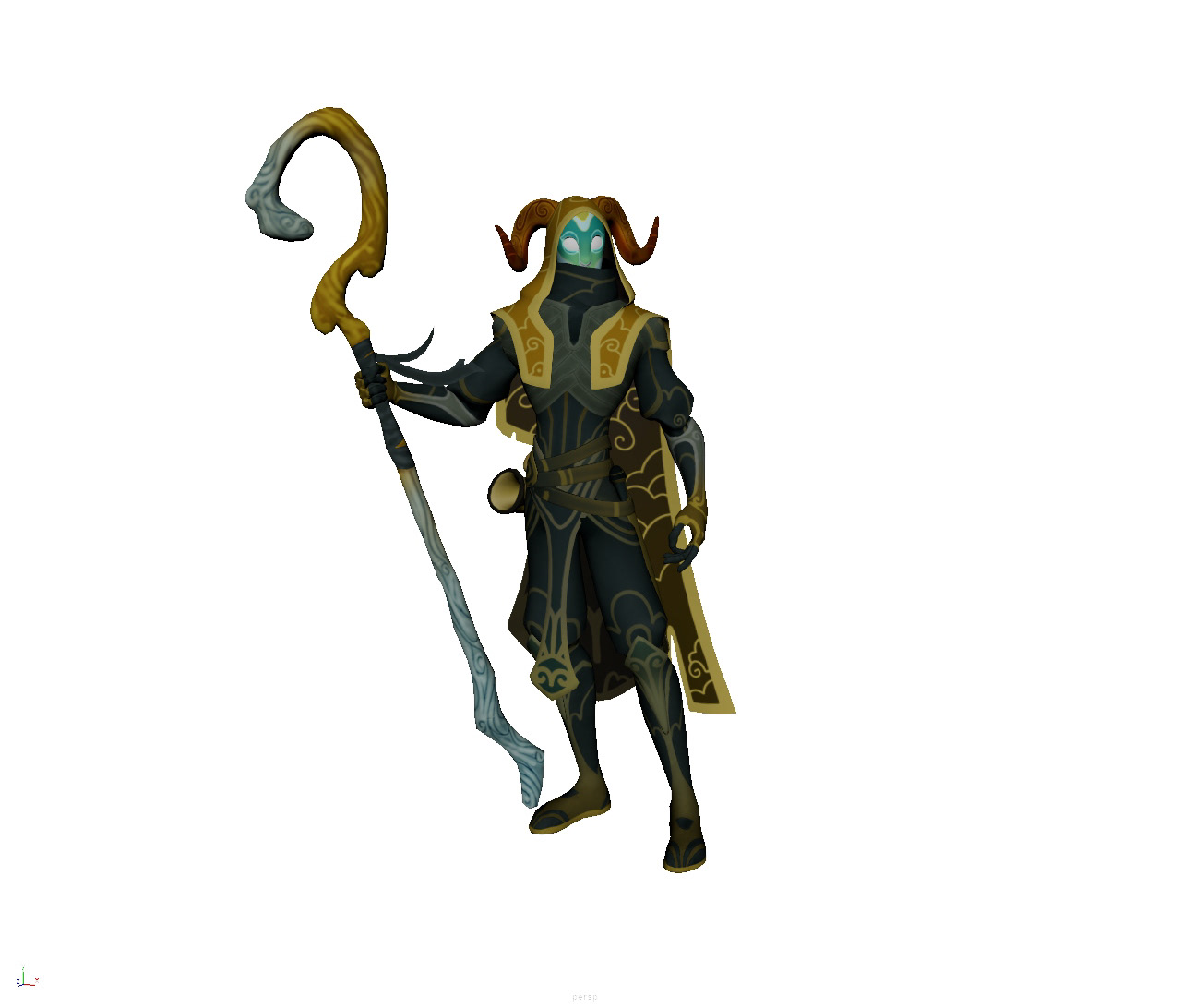
To accommodate for one skeleton asset in Unreal Engine but two skeletal meshes, I designed the game rig to work with one skeleton for all animation exports but two separate rig files. Animators could animate on either the Shepherd or the Reaper and Unreal Engine would read either animation asset to the same skeleton upon export. This made it easier to swap between the two character skins under one player assets seamlessly and program up all the animations, hitboxes and effects required for the Main Player since Unreal is skeleton dependent. Animations were blended to achieve all the different states that were required for the game: running, walking, blowing the horn, hitting, shielding, getting hurt, shining light, petting sheep, crouching, etc.
A few rig features included: the Shepherd's fully fluid shoulder set up, including clavicle, shoulder blade, and lats to swing the staff properly. All fabric elements were animated by hand for the game style. The capes had a wide range of controls to move them into shape quickly. We attempted cloth simulations but the cape quickly became distracting to the player and would catch on the staff immediately.
For the staff, which is our Player's primary weapon, a moveable COG locator would allow animators to adjust the center of mass of the staff to any point and the hands could independently "stick" or "unstick" to the staff depending on the action required. This action could be reversed where the arm would direct where the staff went rather the staff directing the arms. The rig allowed for stretchy IK arms, IK, and FK arms resulting in several bone chains piloting the base skeleton with one root. In addition, a quick pose control was built for the fingers to achieve a quick "curl" action while allowing each finger to be adjusted on the staff.
A few rig features included: the Shepherd's fully fluid shoulder set up, including clavicle, shoulder blade, and lats to swing the staff properly. All fabric elements were animated by hand for the game style. The capes had a wide range of controls to move them into shape quickly. We attempted cloth simulations but the cape quickly became distracting to the player and would catch on the staff immediately.
For the staff, which is our Player's primary weapon, a moveable COG locator would allow animators to adjust the center of mass of the staff to any point and the hands could independently "stick" or "unstick" to the staff depending on the action required. This action could be reversed where the arm would direct where the staff went rather the staff directing the arms. The rig allowed for stretchy IK arms, IK, and FK arms resulting in several bone chains piloting the base skeleton with one root. In addition, a quick pose control was built for the fingers to achieve a quick "curl" action while allowing each finger to be adjusted on the staff.
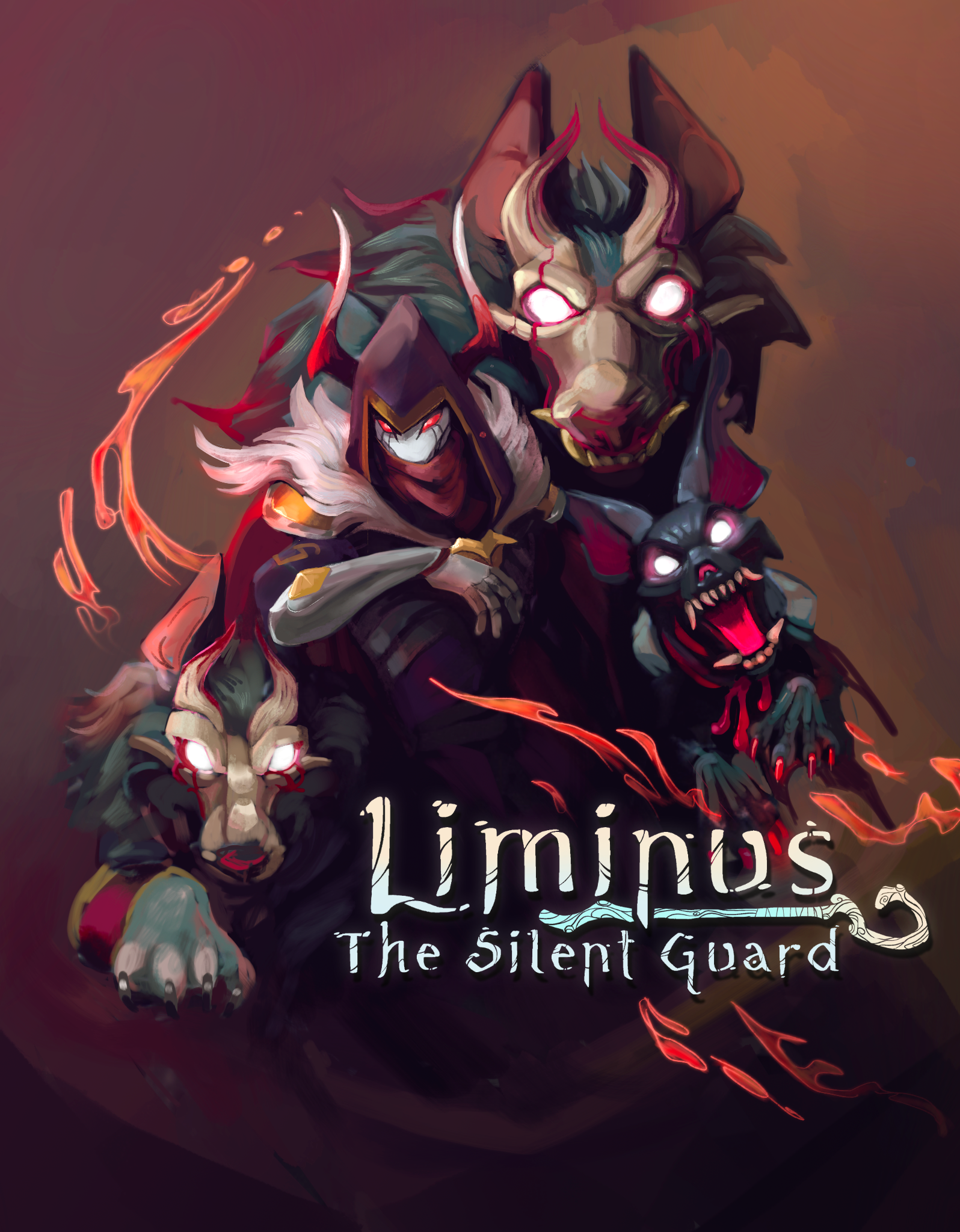
Steam poster (c) Emily Gilson
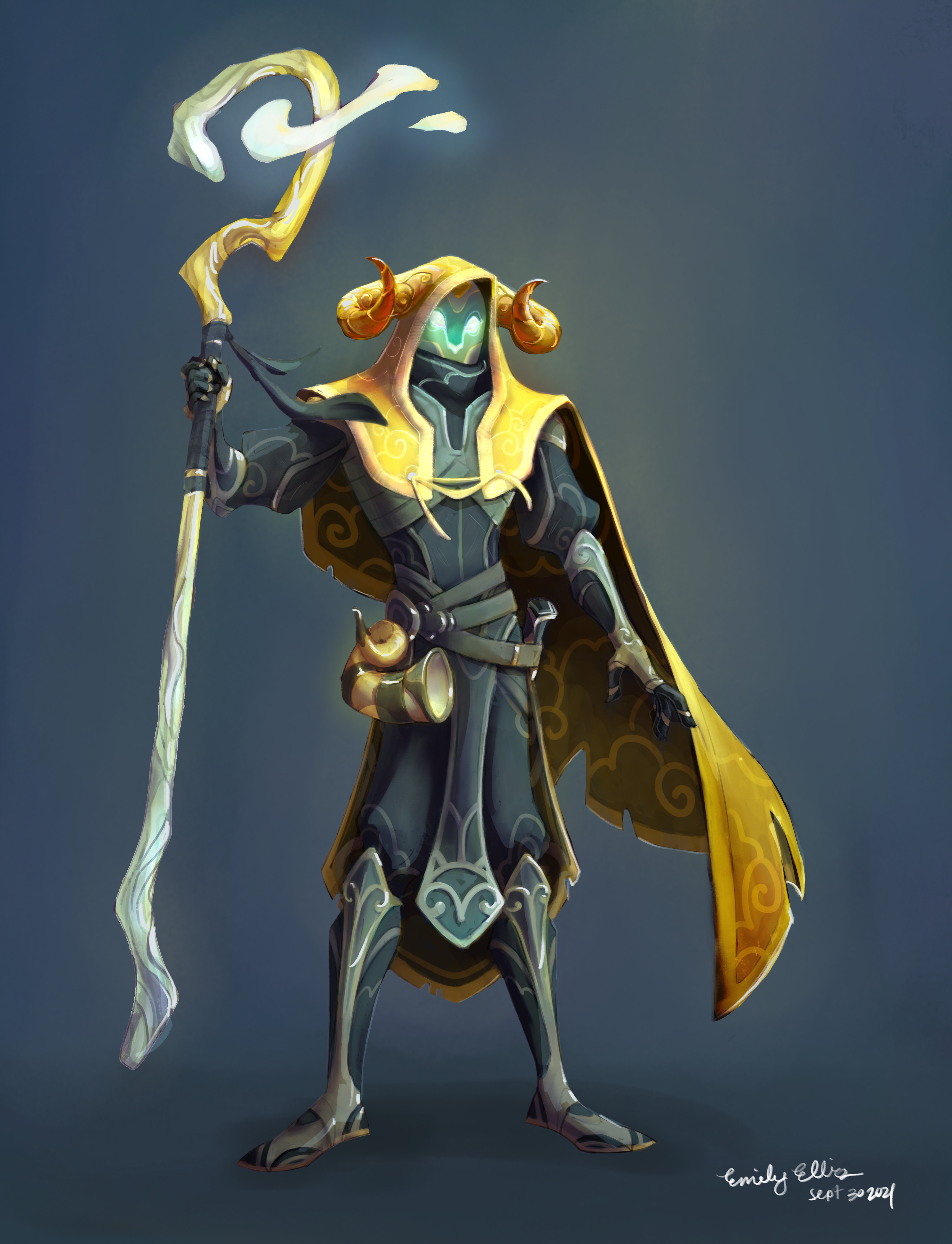
Final texture paintover (c) Emily Gilson (or Emily Ellis)
Insight on the Directing PRocess
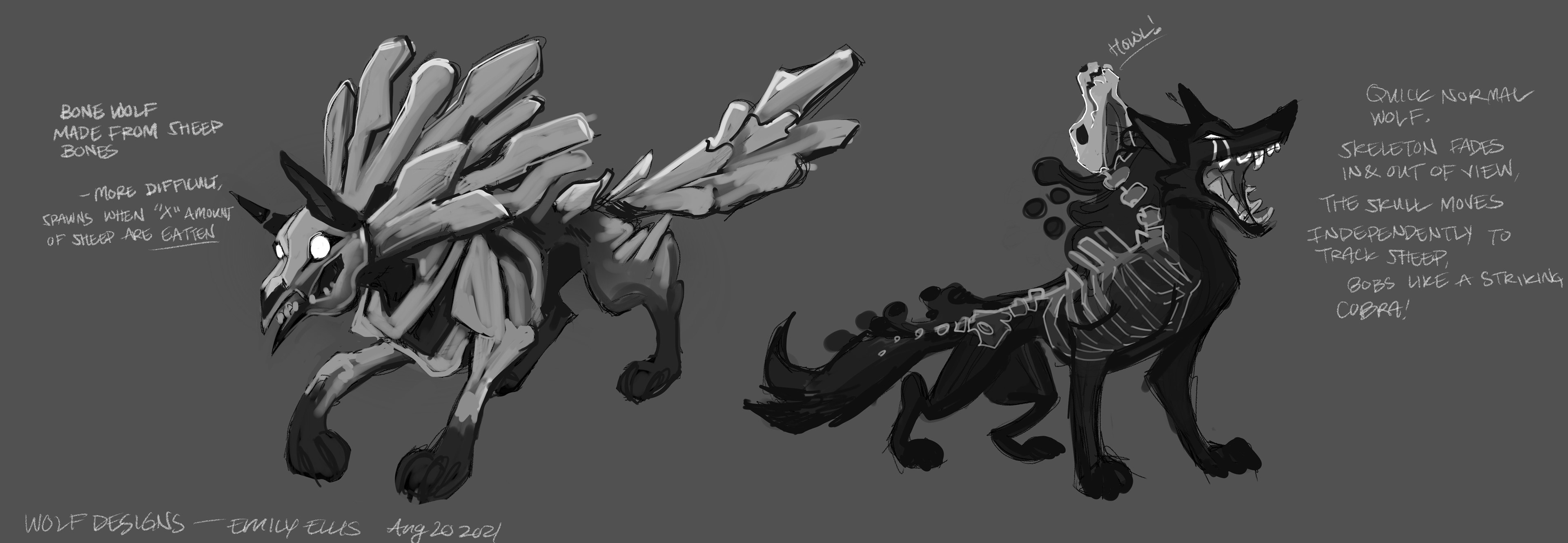
Early wolf designs (c) E.G.
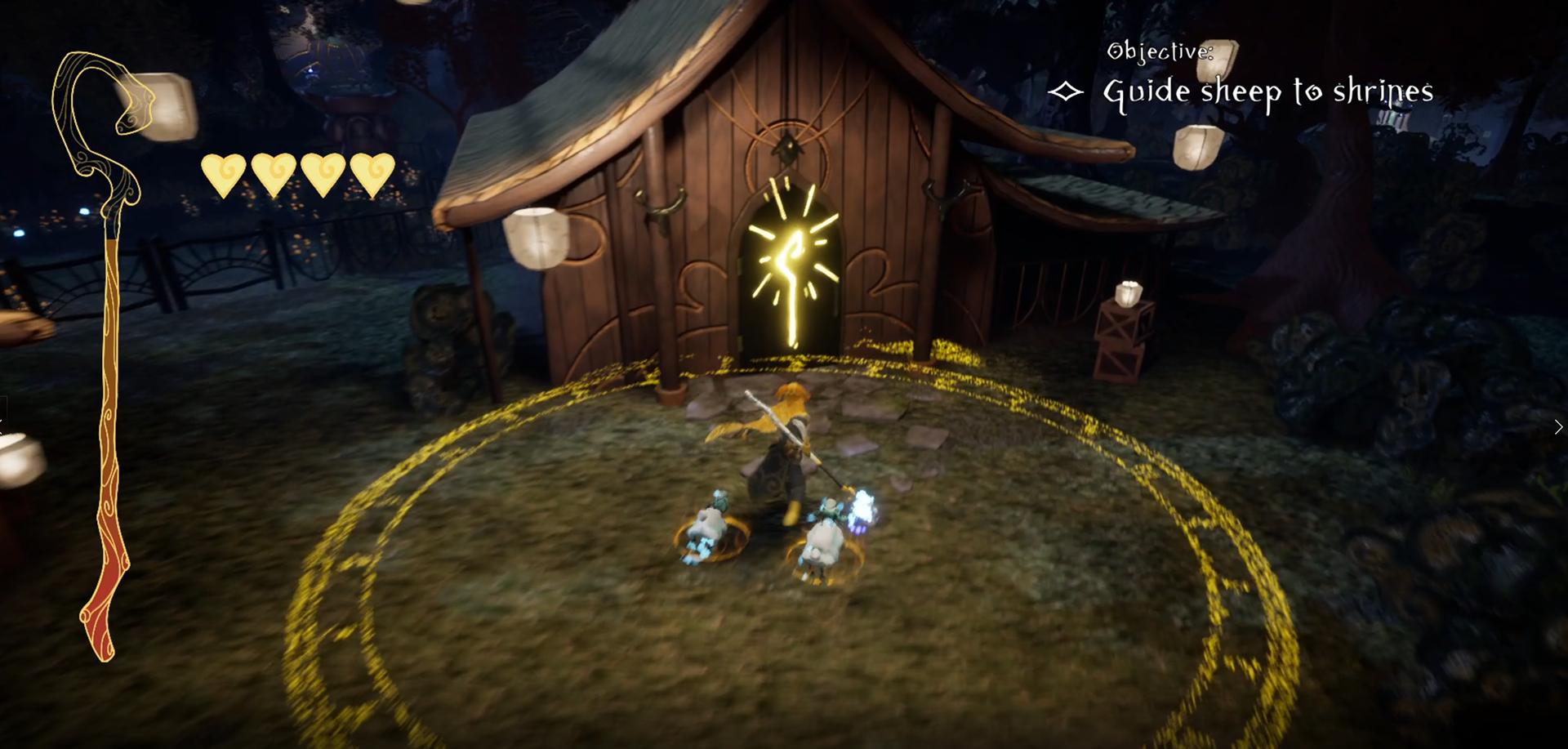
In-game still
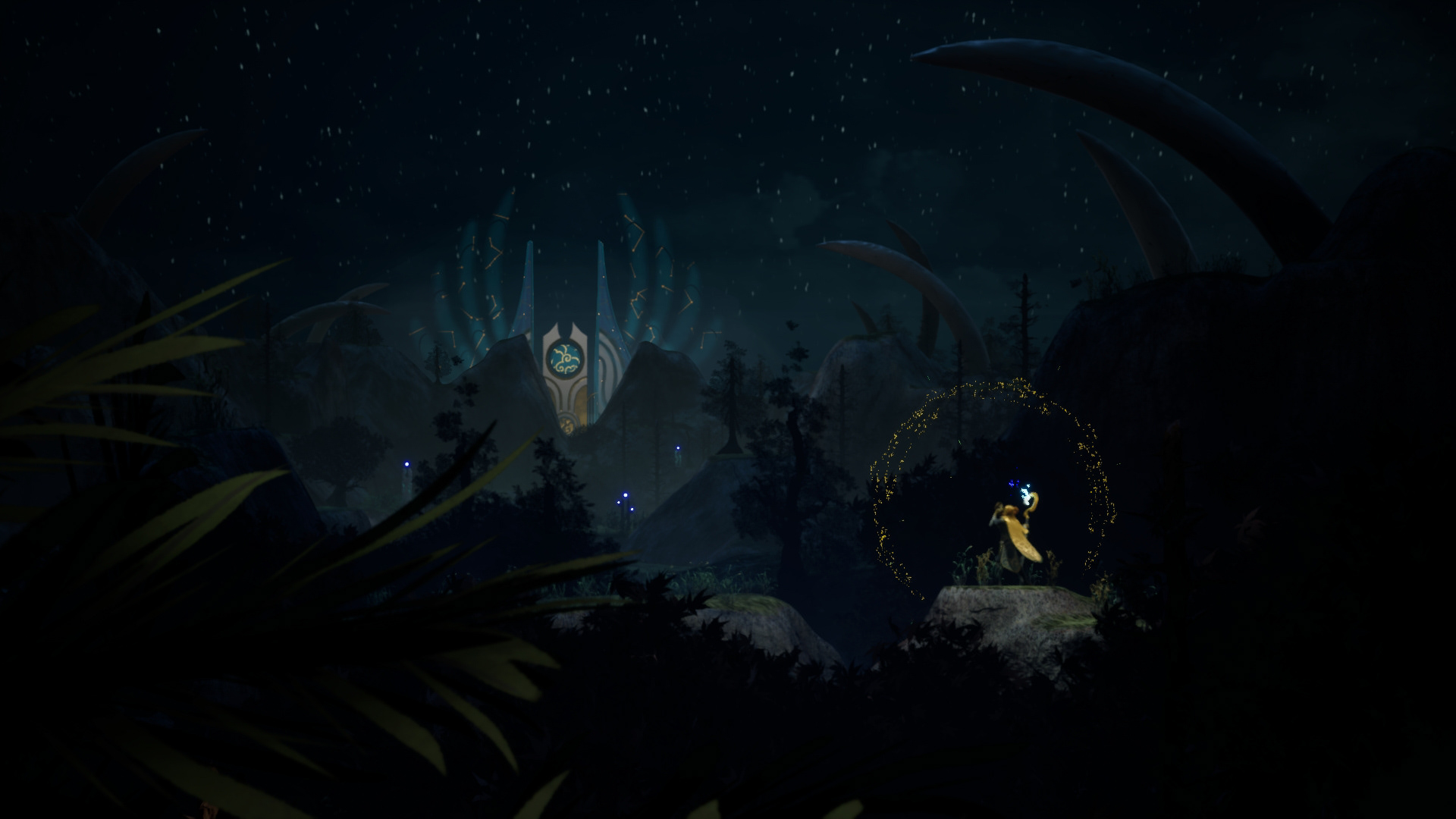
In-game cinematic still
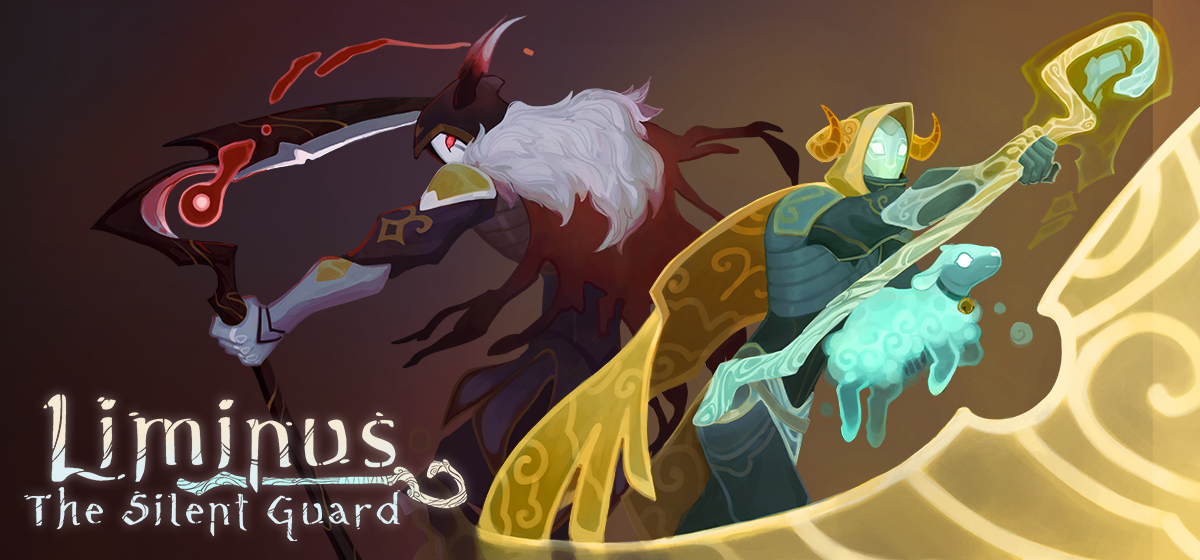
Splash art(c) Cam Unson
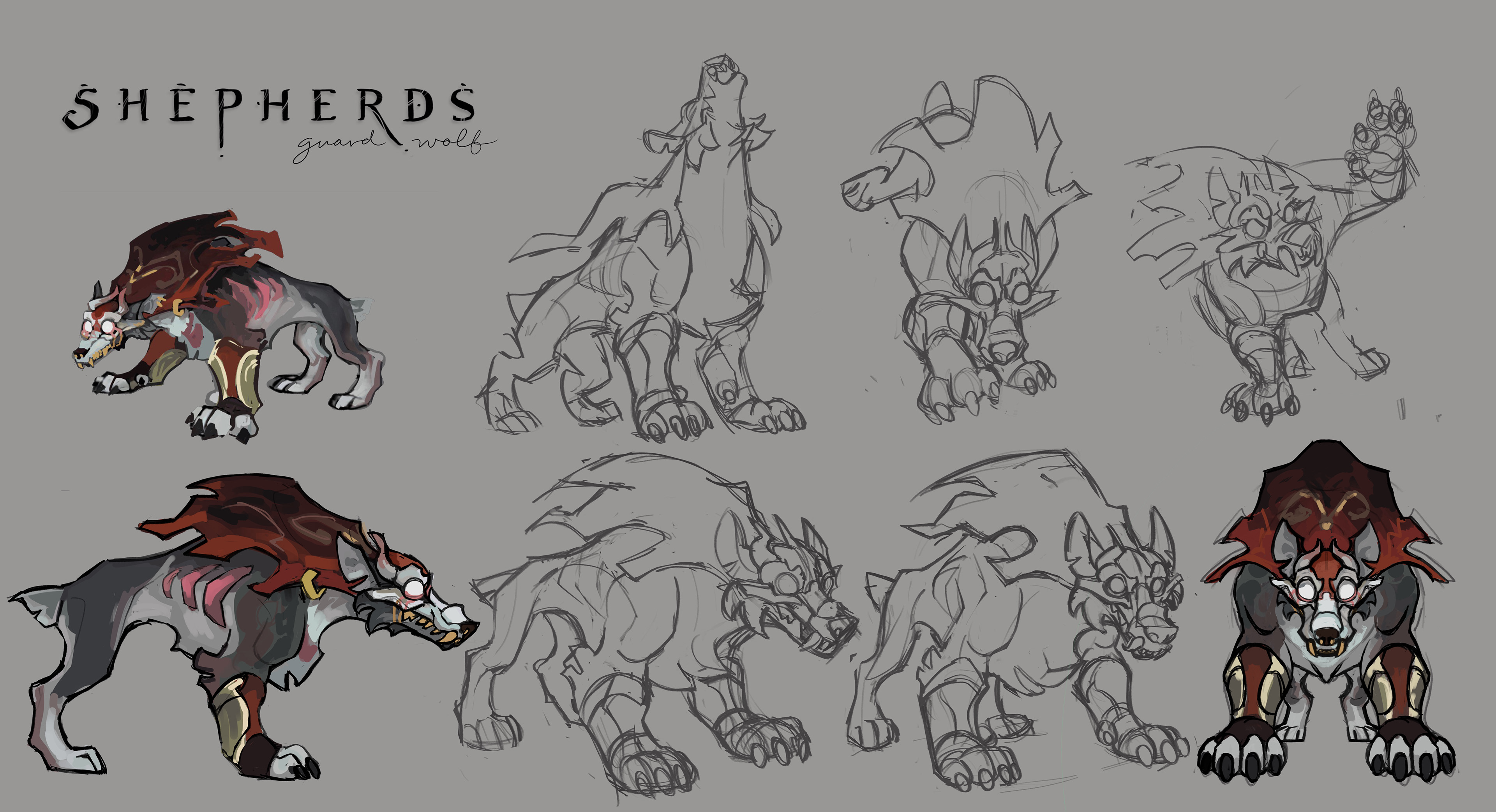
Guard wolves came about from the game design / programmers later in the game. Final posing sheet by E.G. but design developed by team.
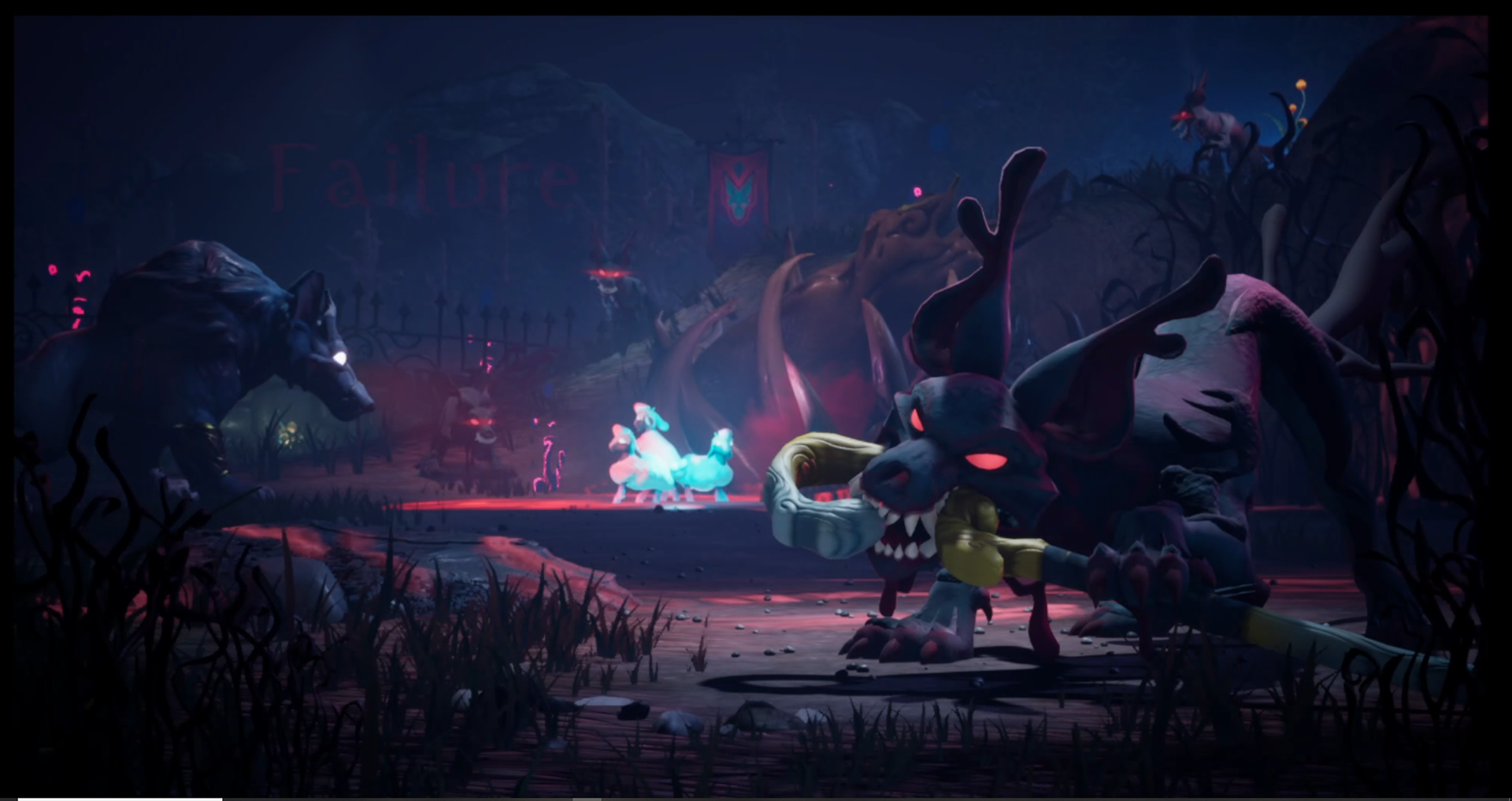
Loading death screen still
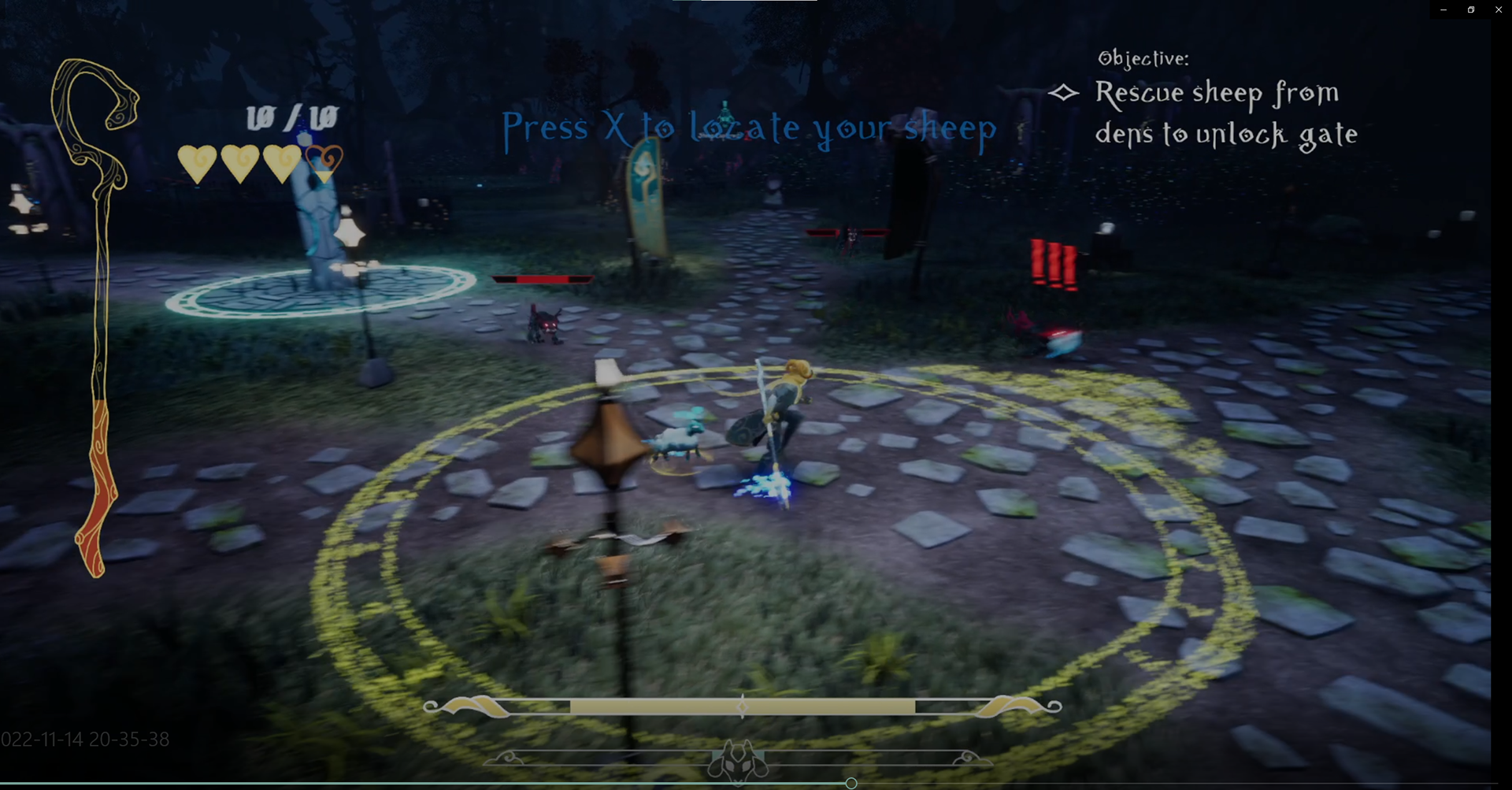
In-game still
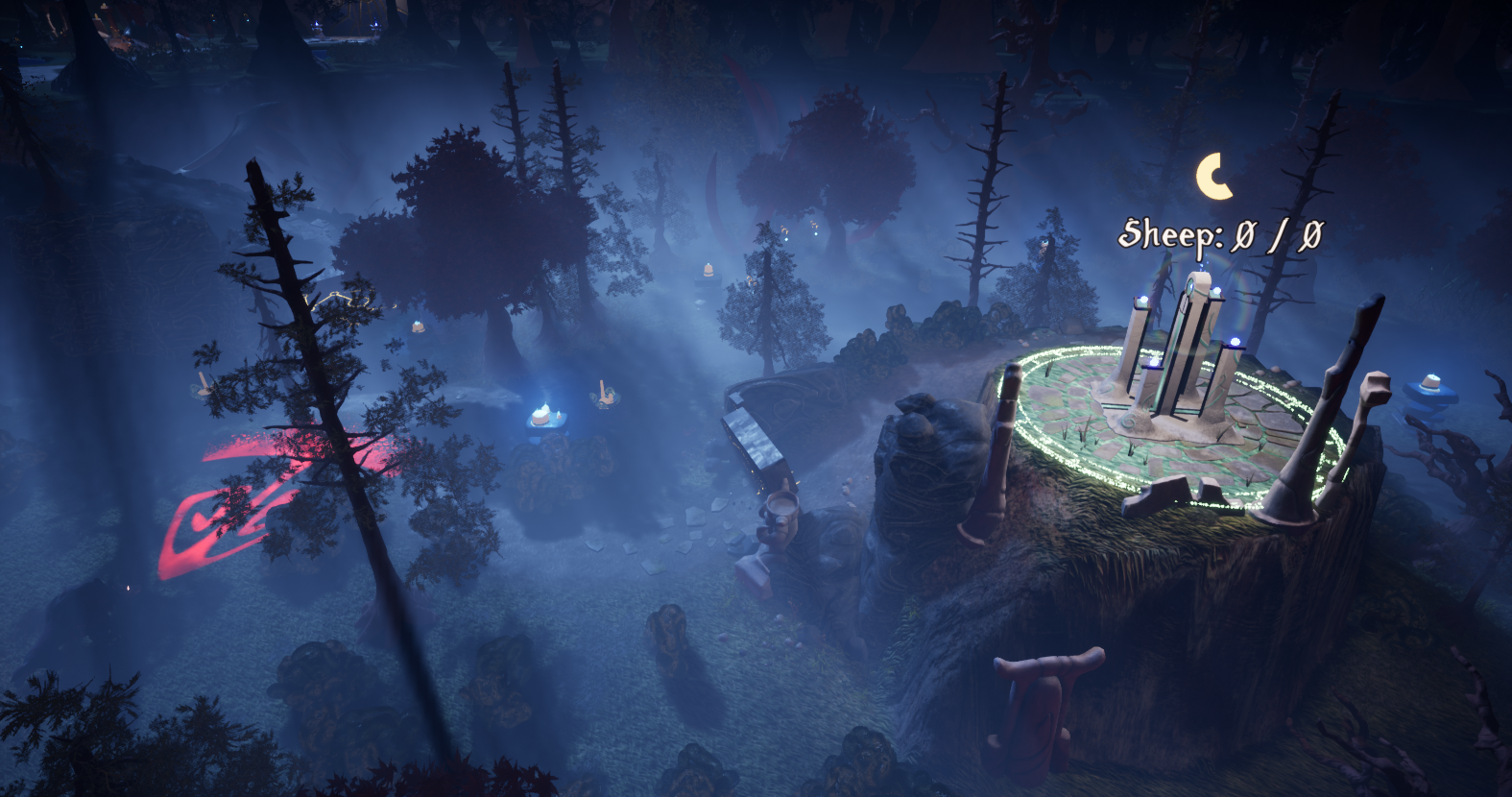
Level 3 overview
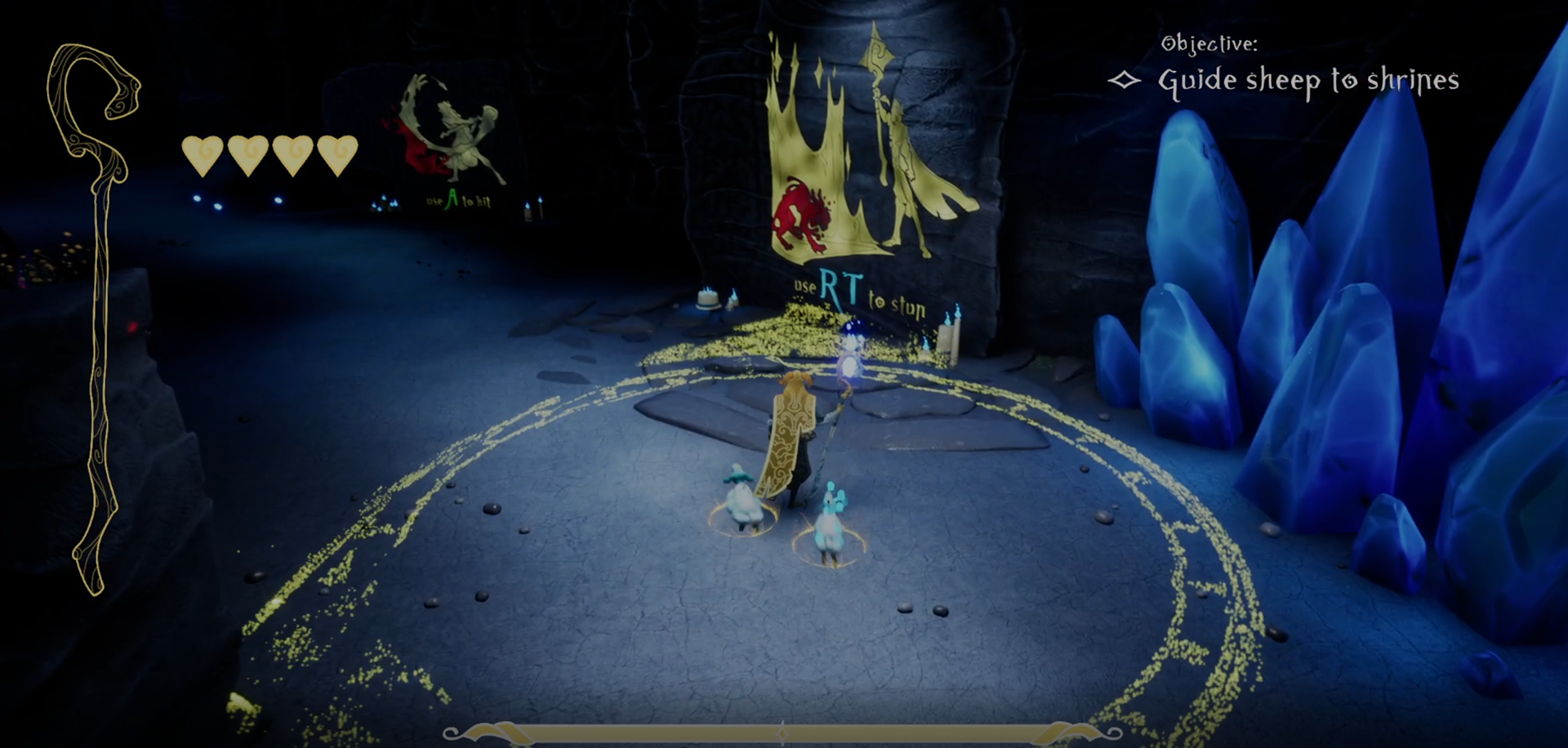
Tutorial still
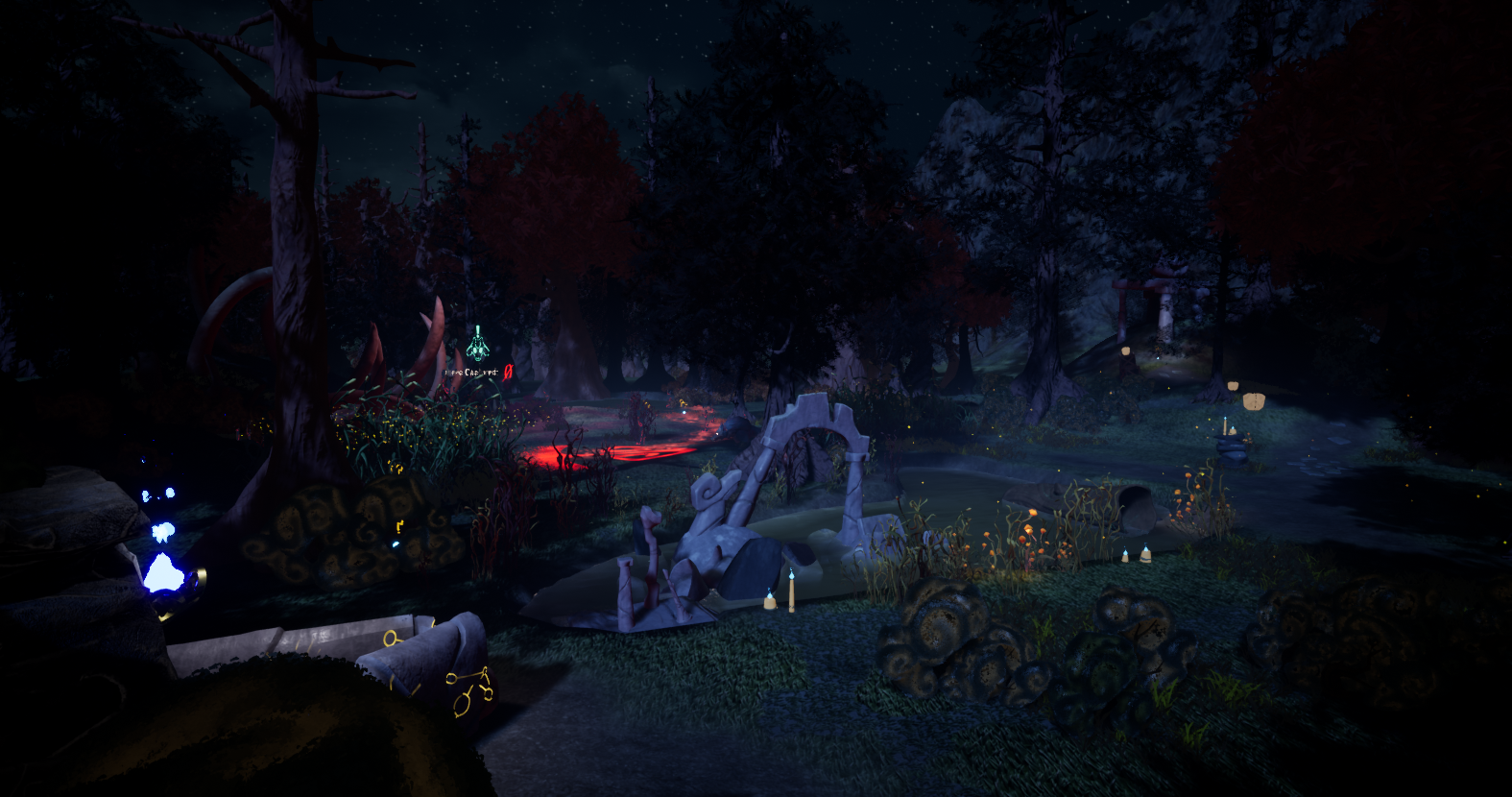
Level 3 overview. Game was developed in UE 4.26 BEFORE emissive maps cast global illumination
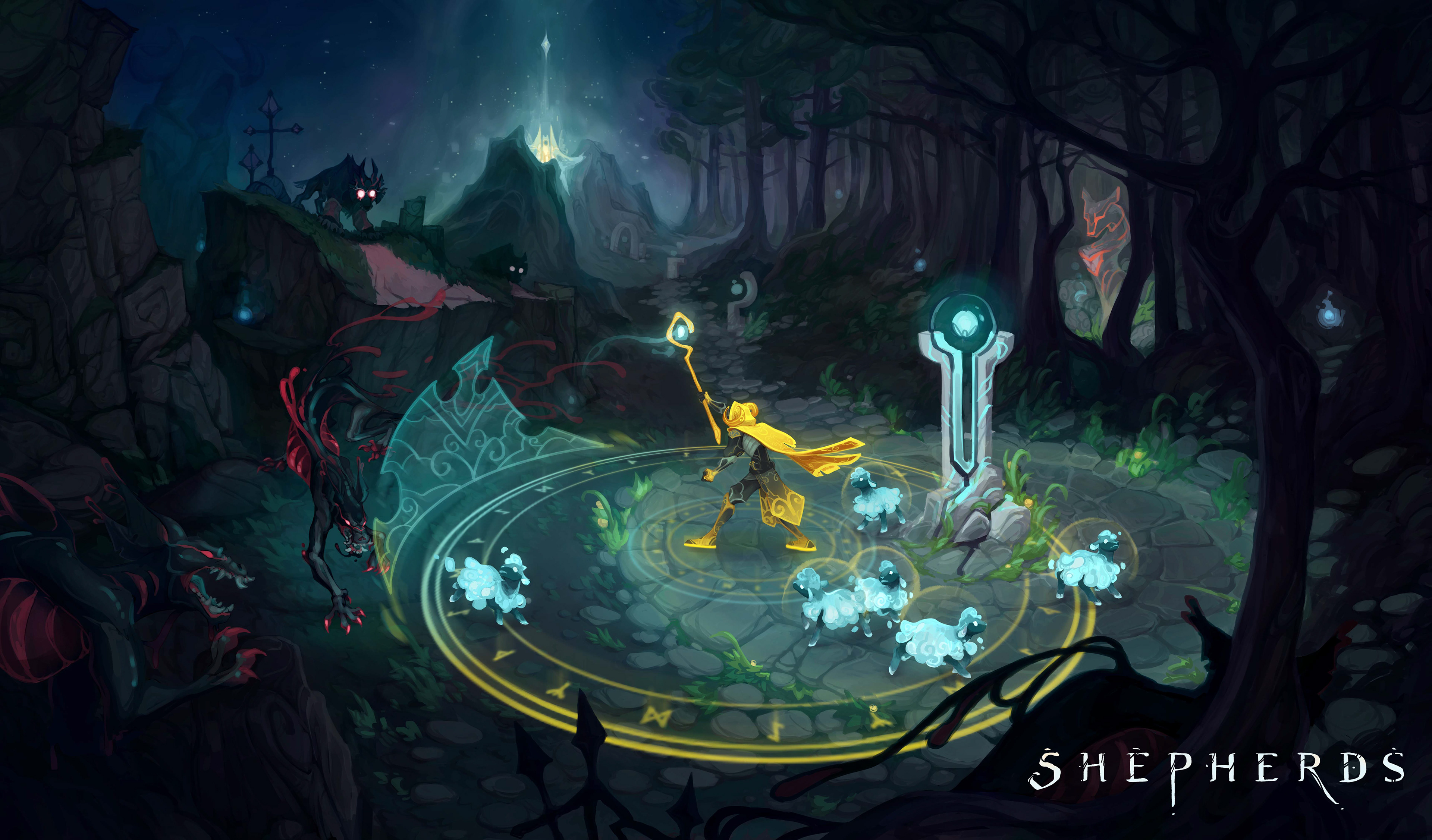
Target Piece -- style and feel of the game (c) Cam Unson
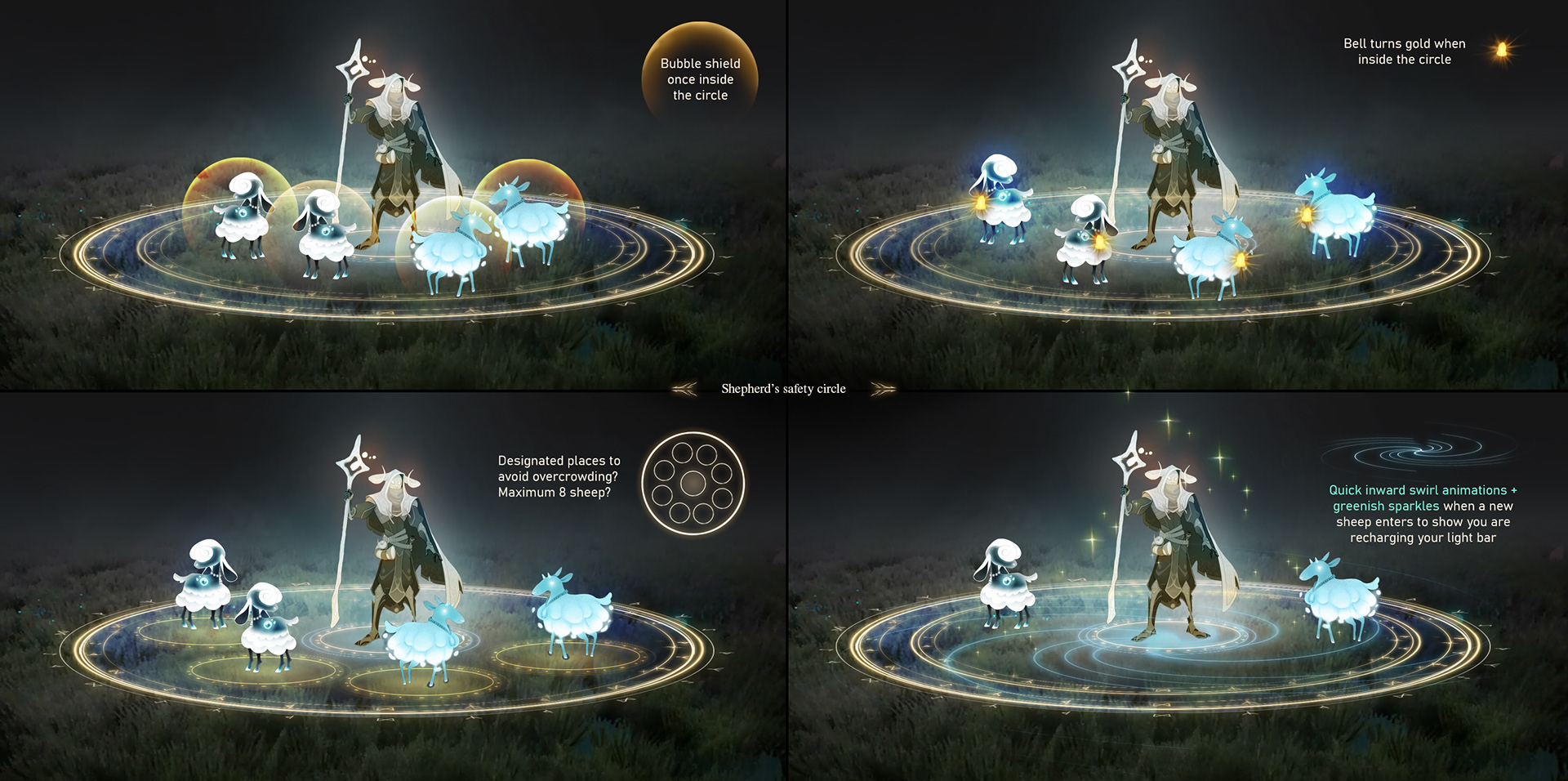
Shepherd safety circle concept (c) Benjamin
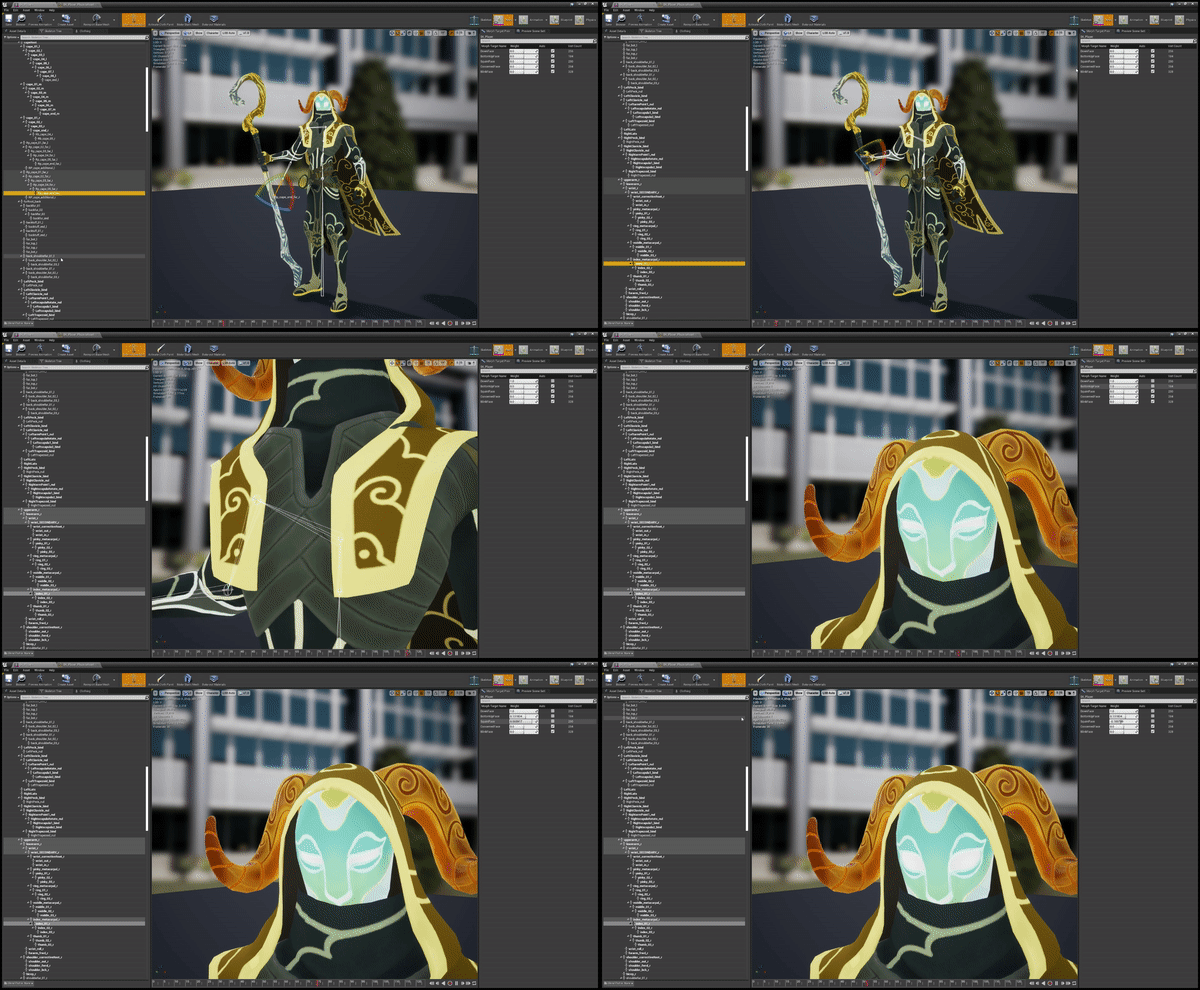
Skeletal Mesh closeup
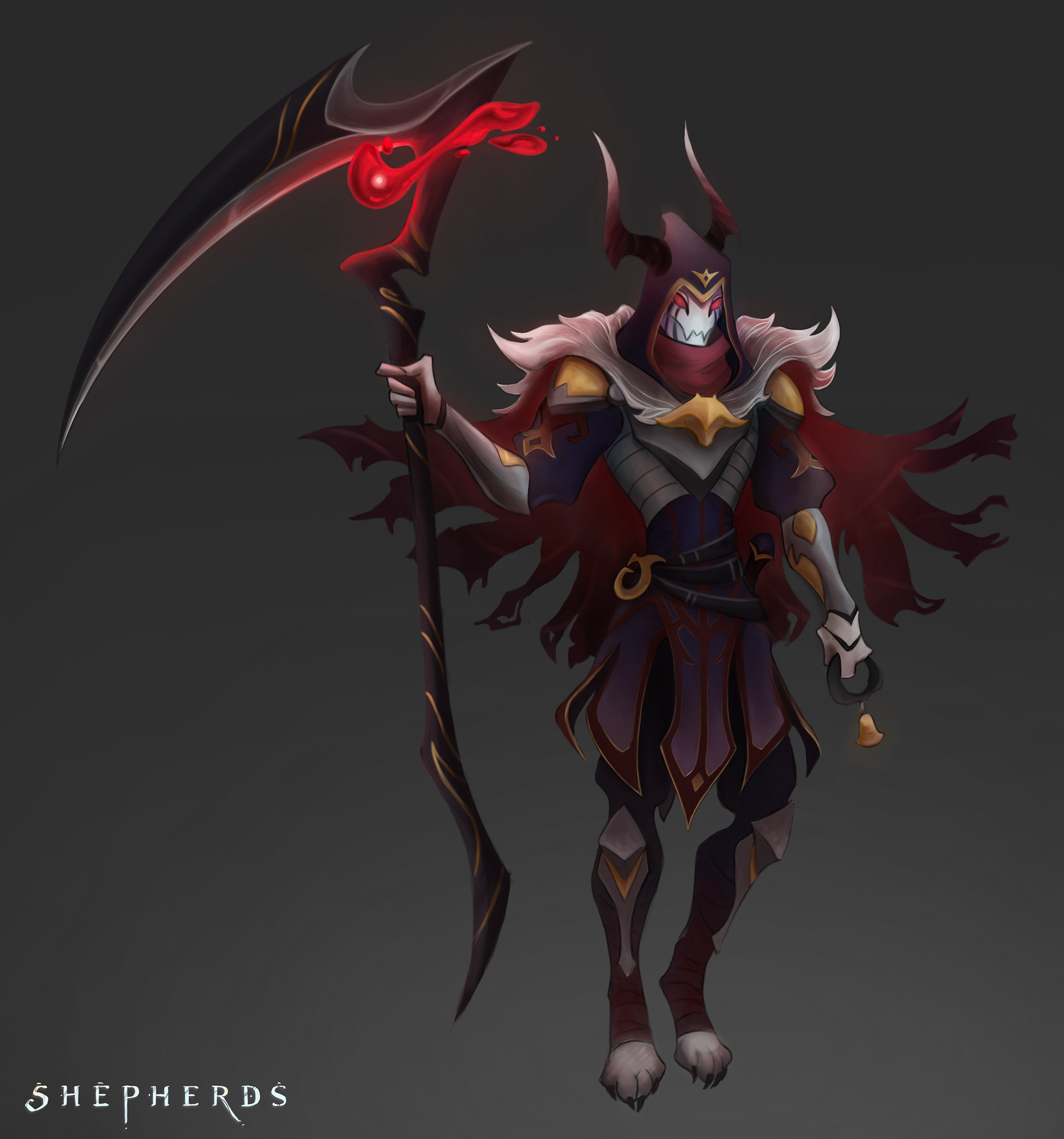
Reaper textures (c) Rachel Doud
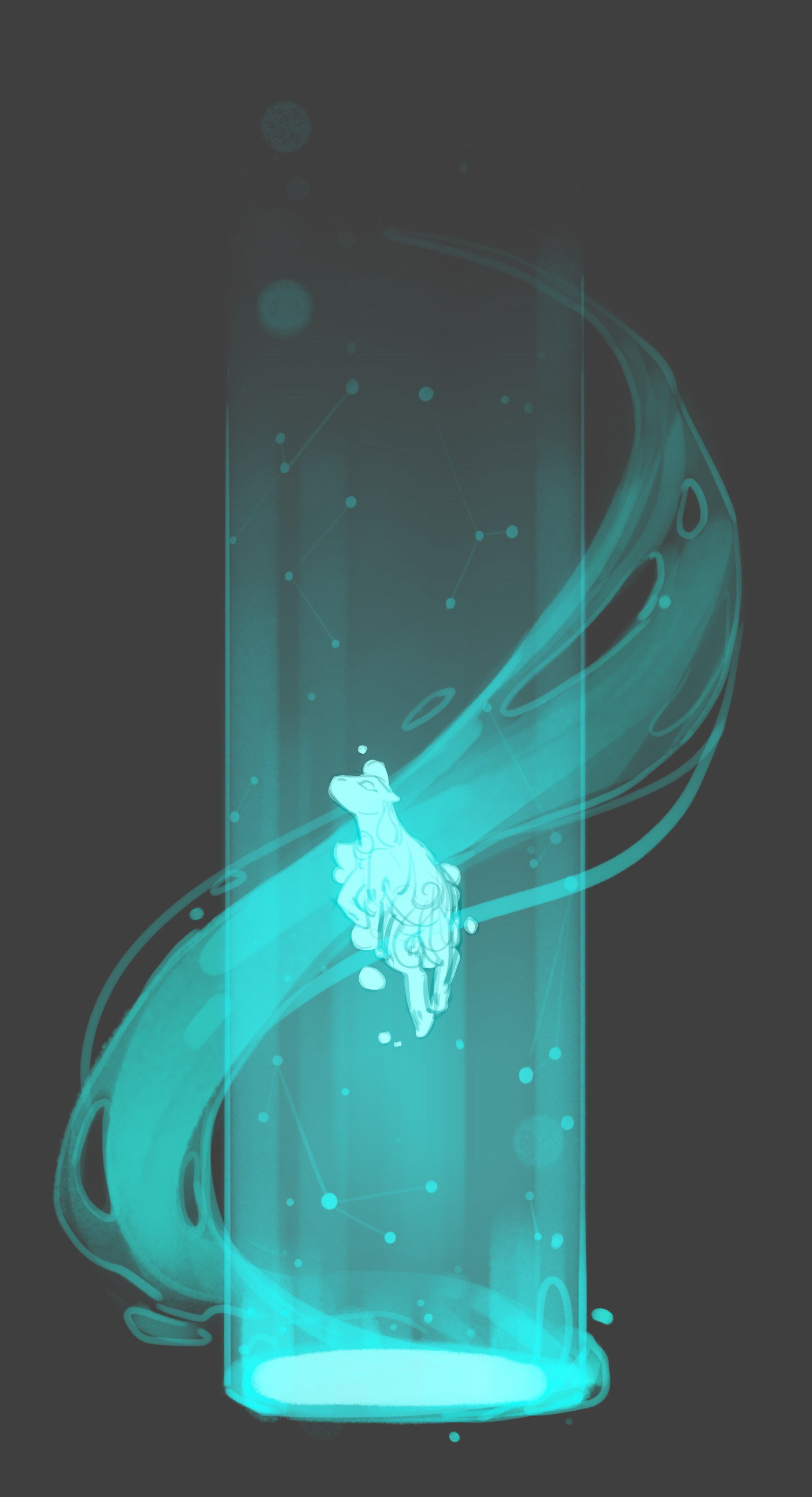
Saved Sheep fx (c) Cam Unson
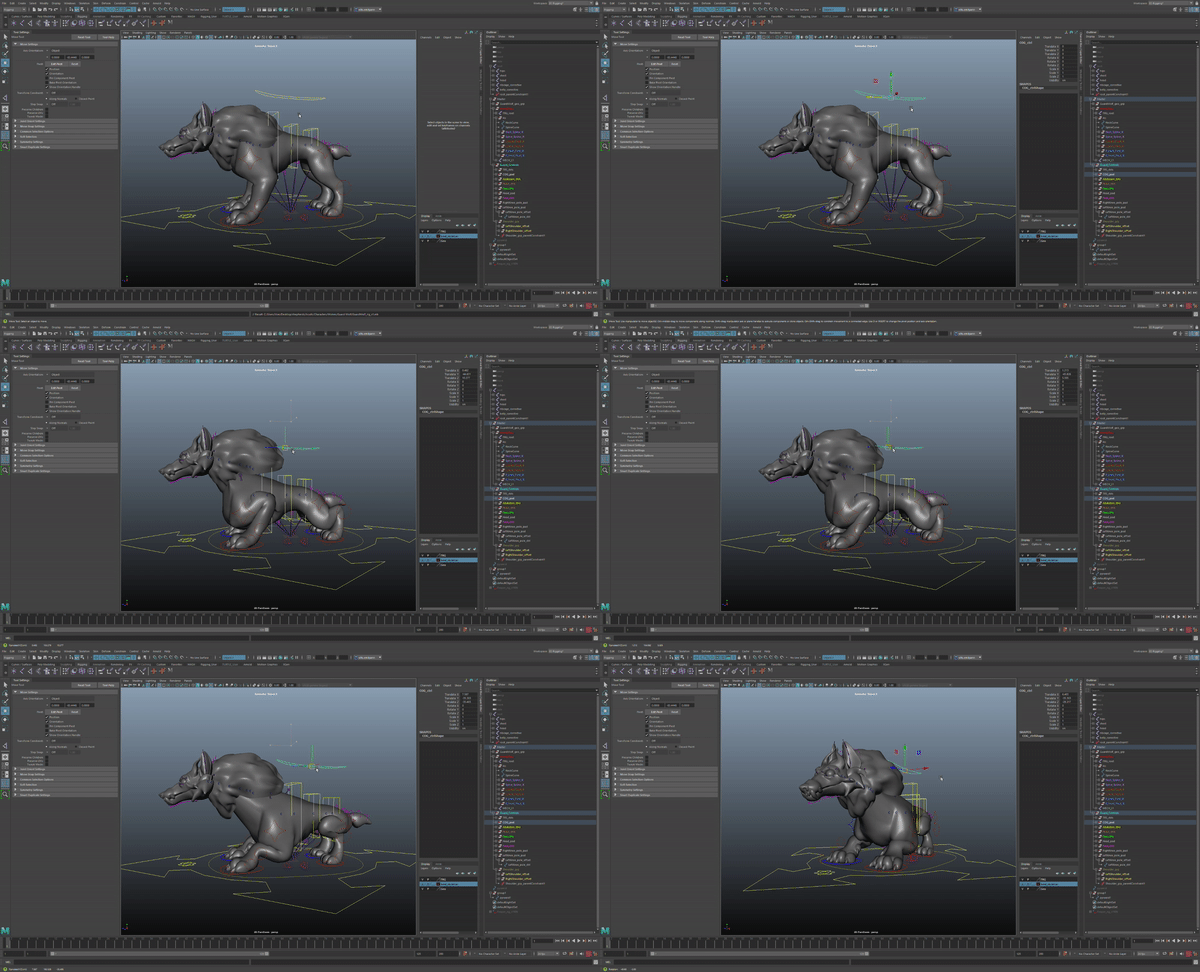
Guard Wolf COG rigging example (c) E.G.
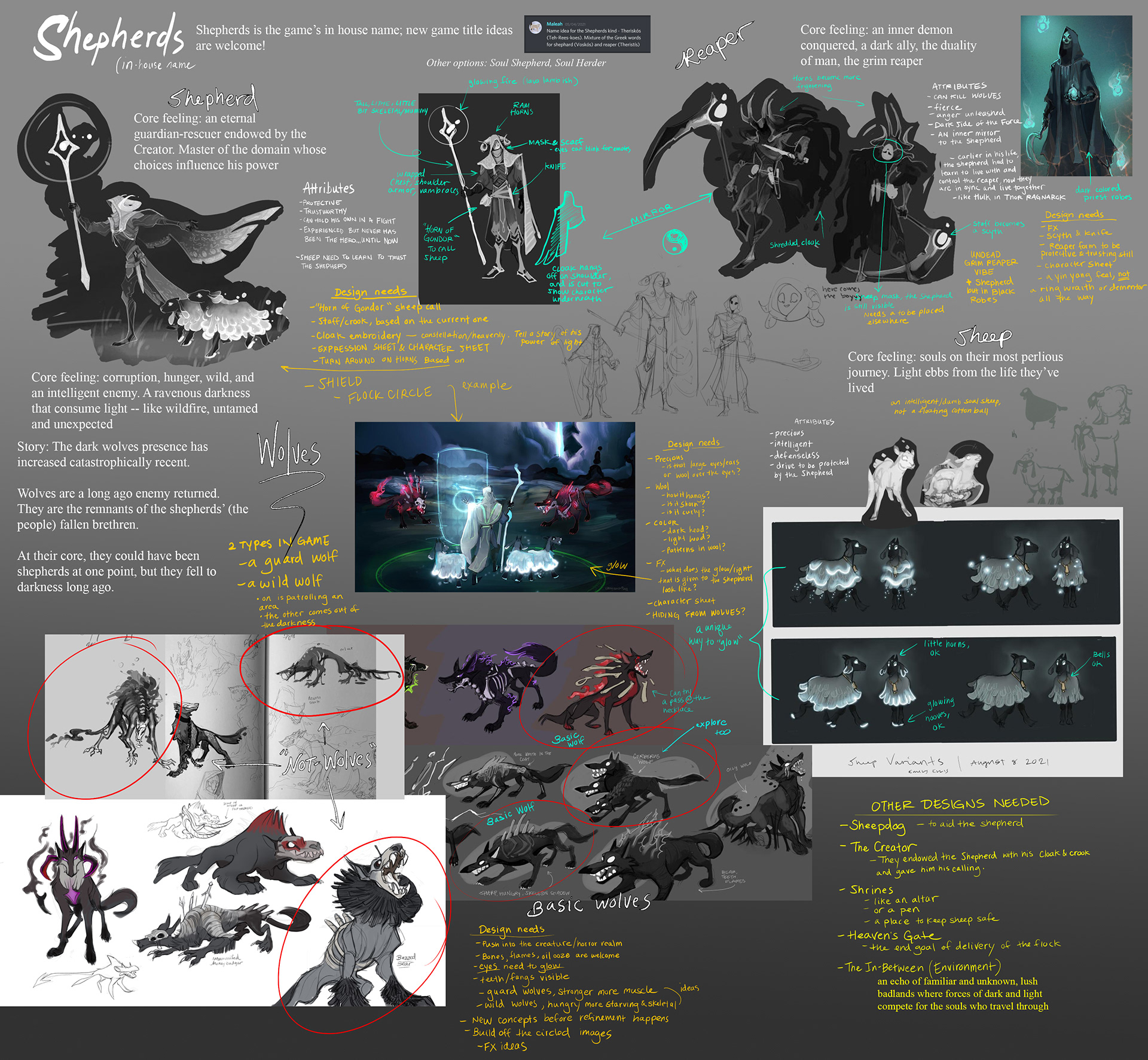
Director notes (c) E.G.
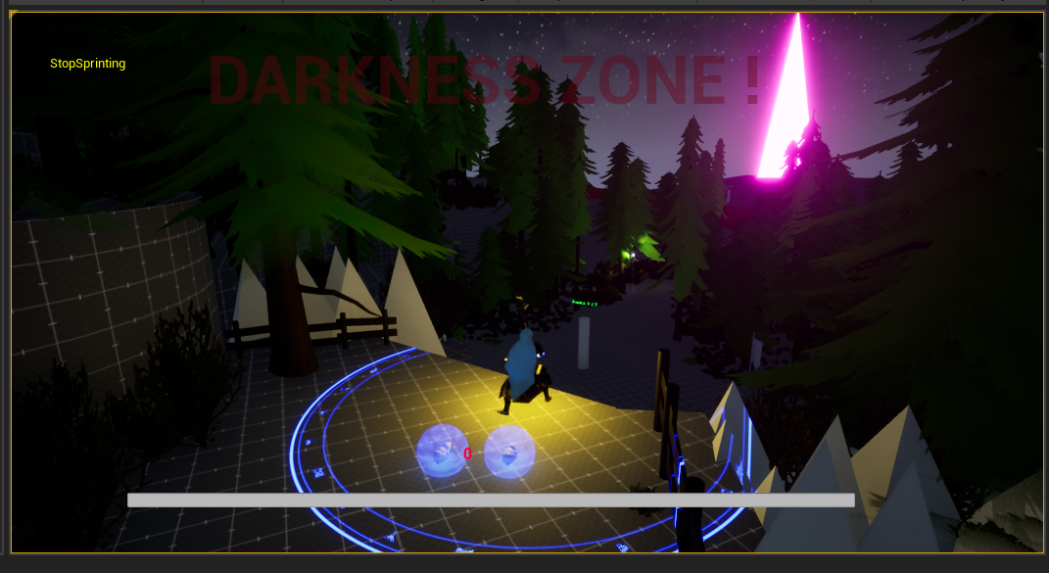
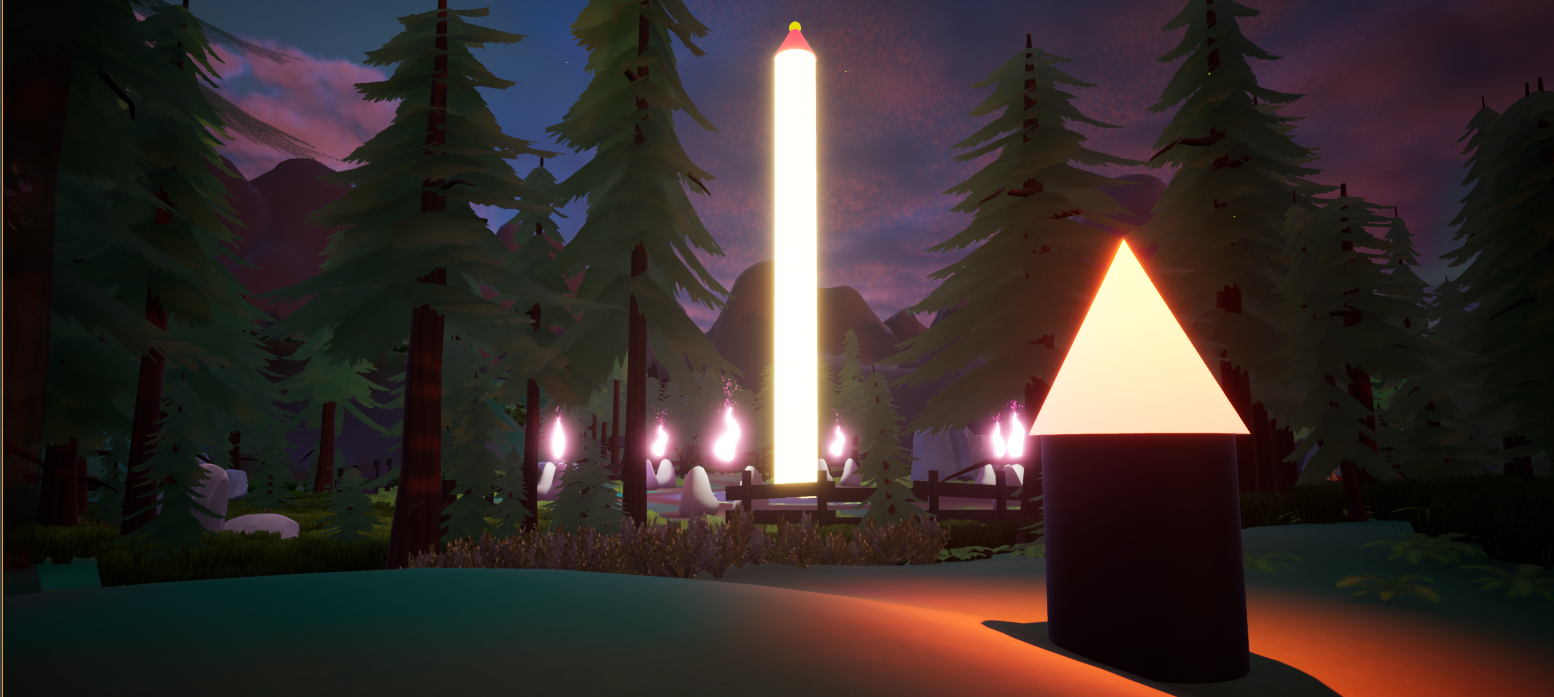
Early pre-final asset game screenshot

Early staff FX (c) Gabe Reed
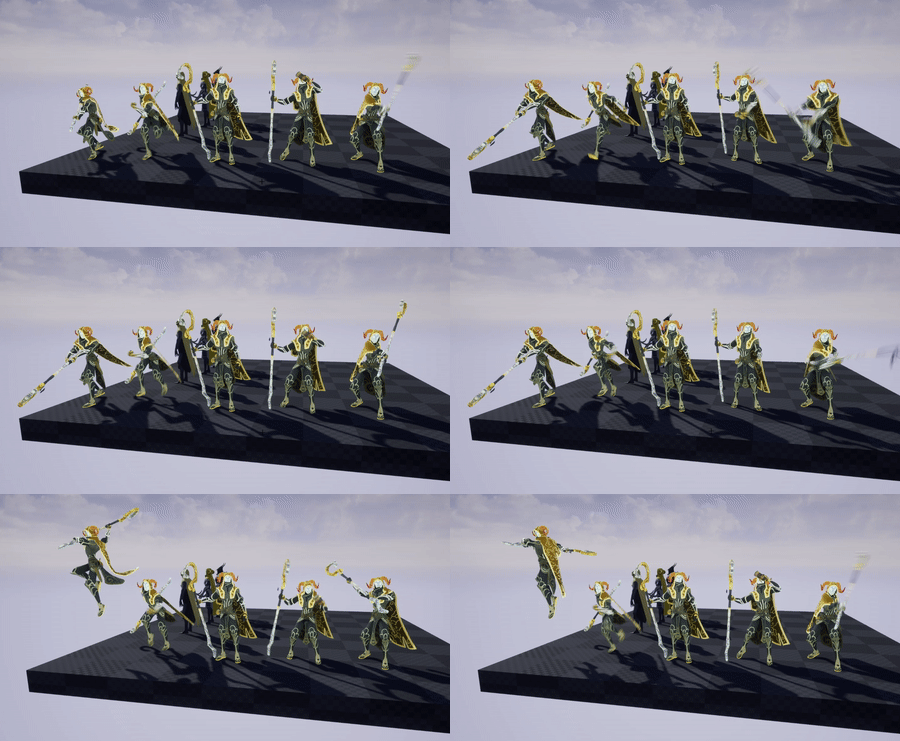
Line up of individual shepherd animations
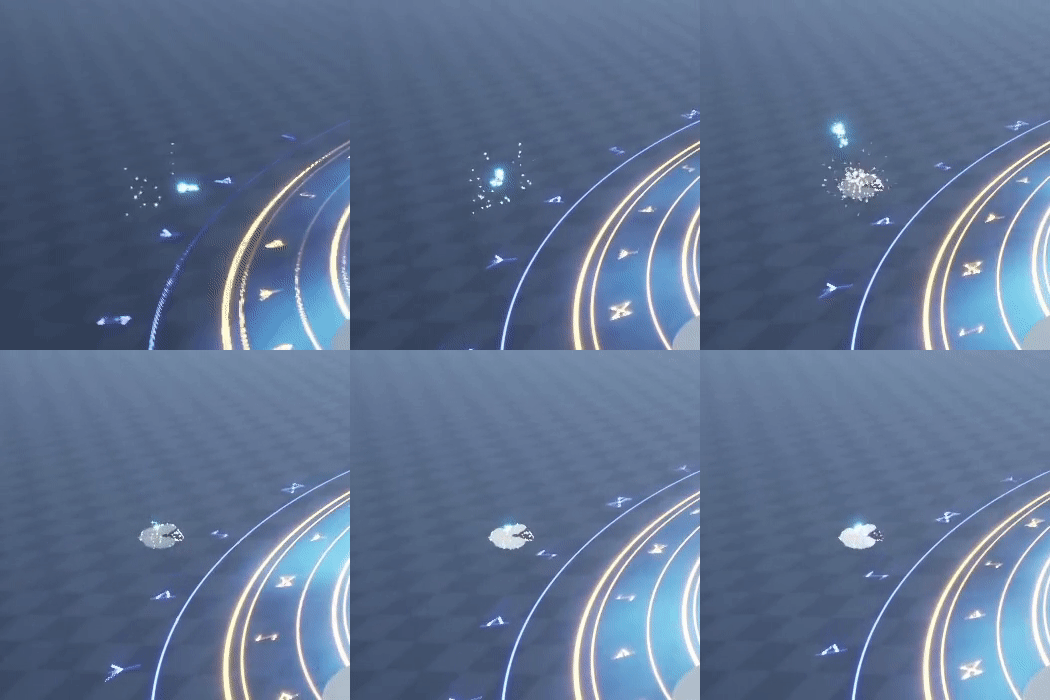
Sheep transformation FX (c) Gabe Reed

Set dressing concepts (c) Arin Yeager
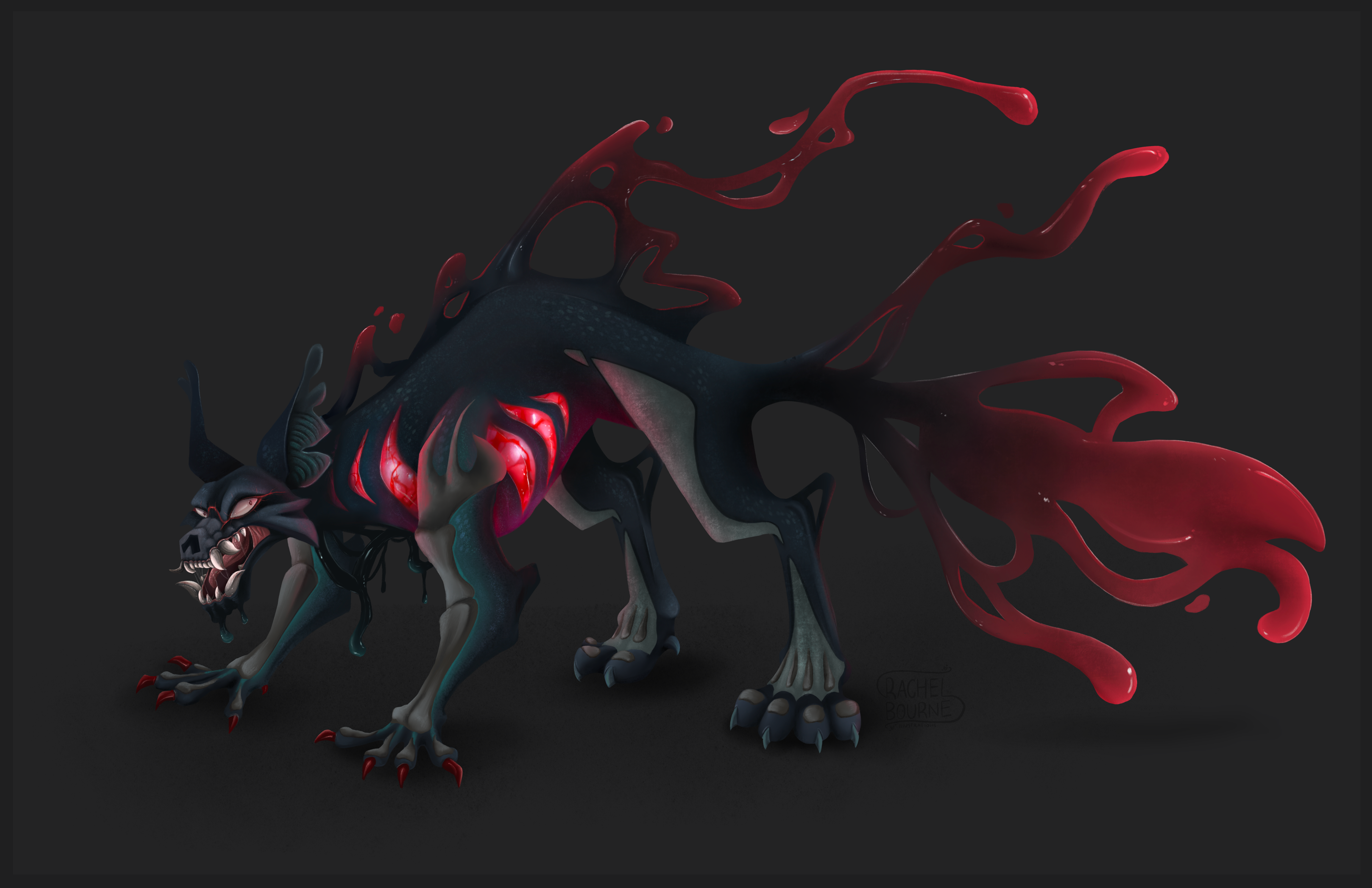
Wild wolf textures (c) Rachel Bourne
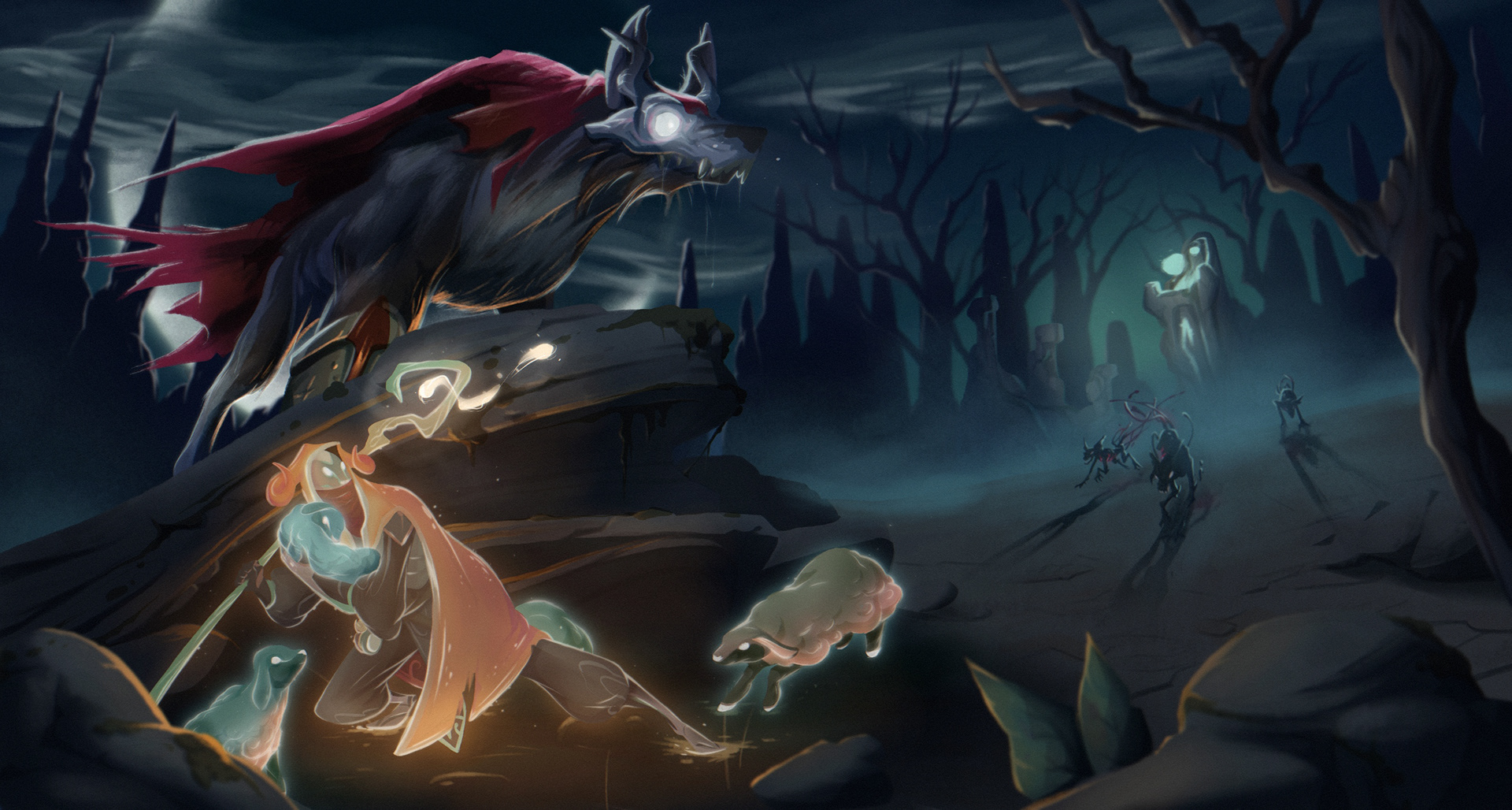
Promo (c) Eli Peel
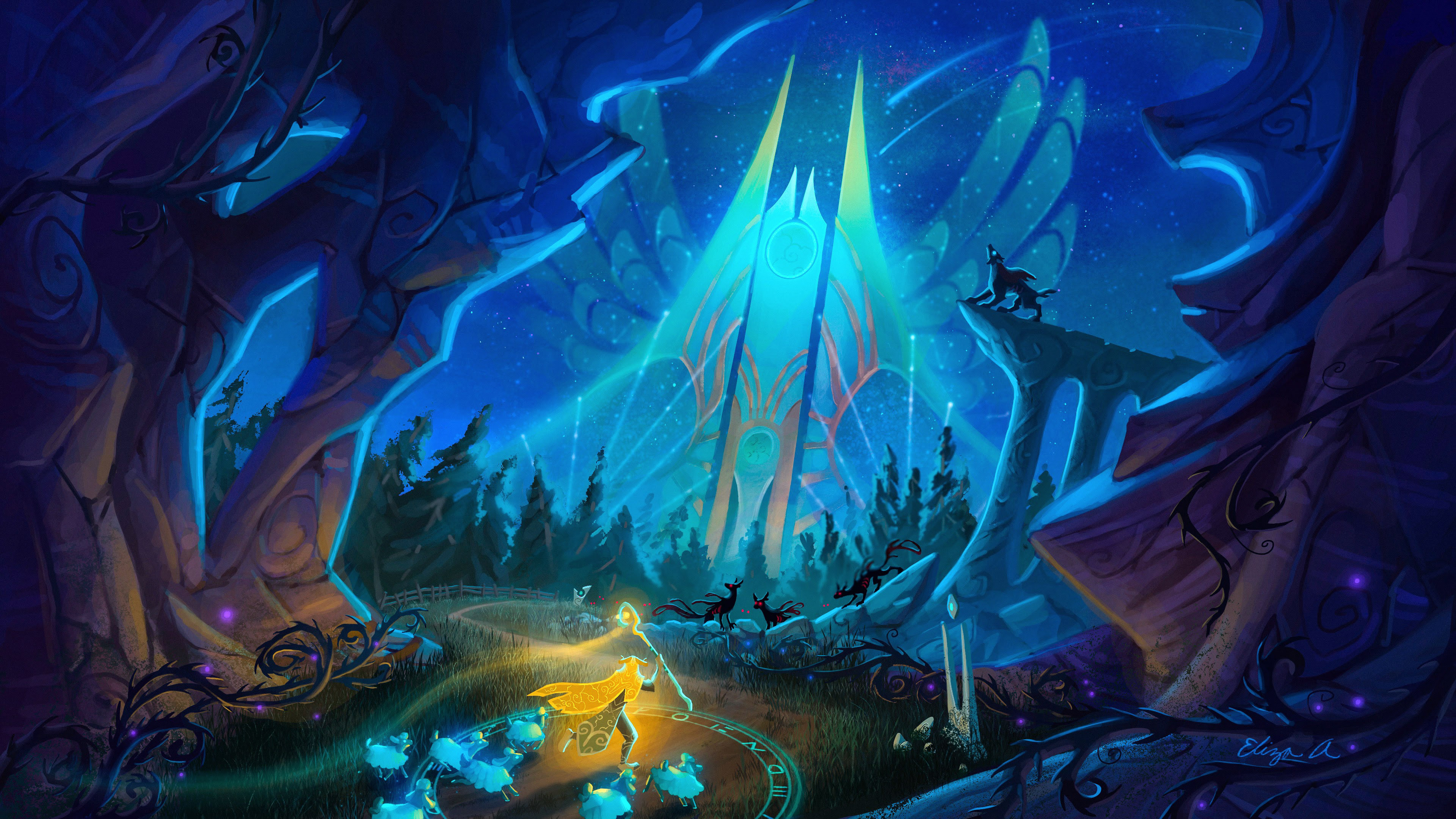
Promo (c) Eliza Anderson
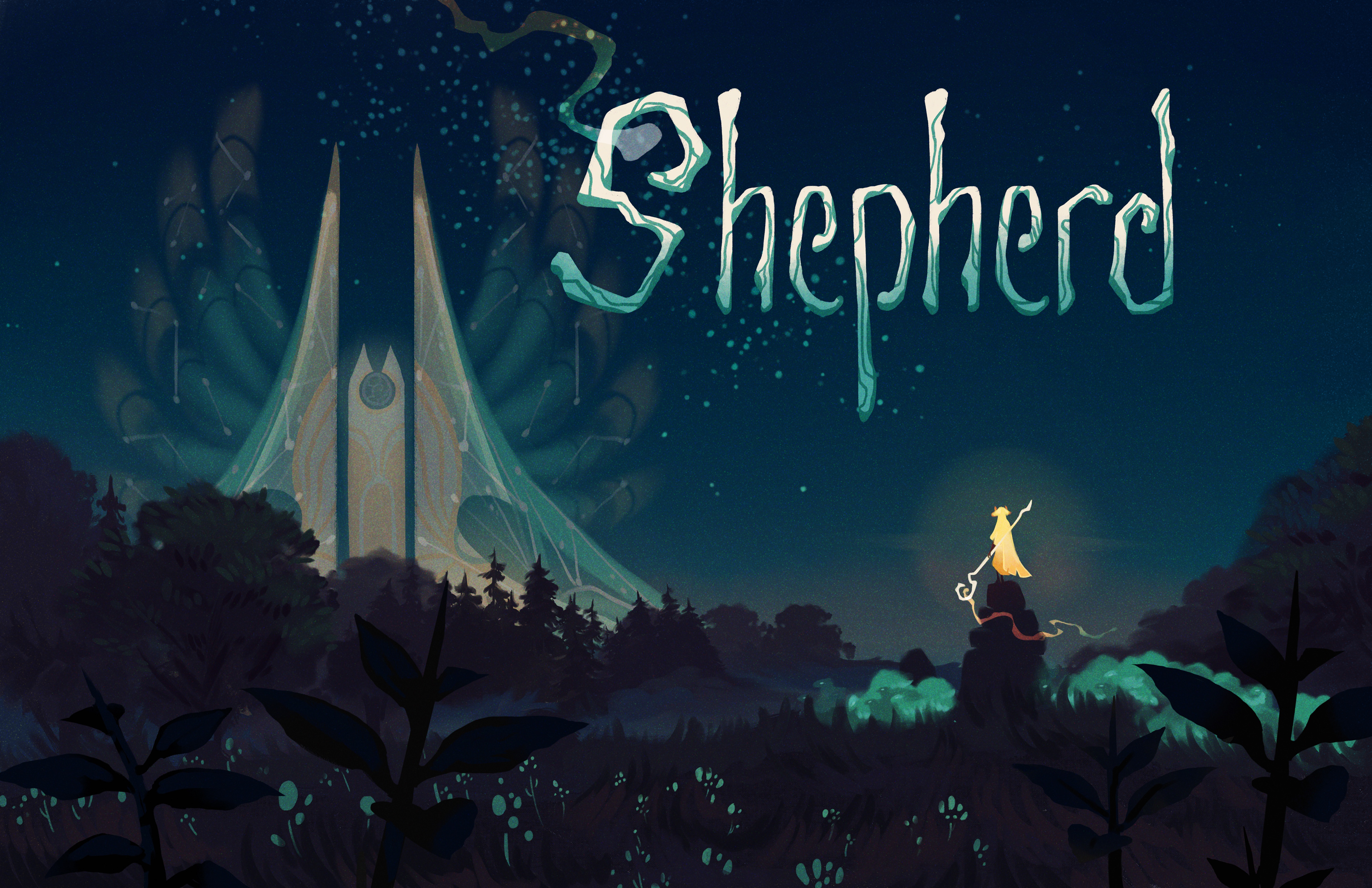
Promo (c) Pedge
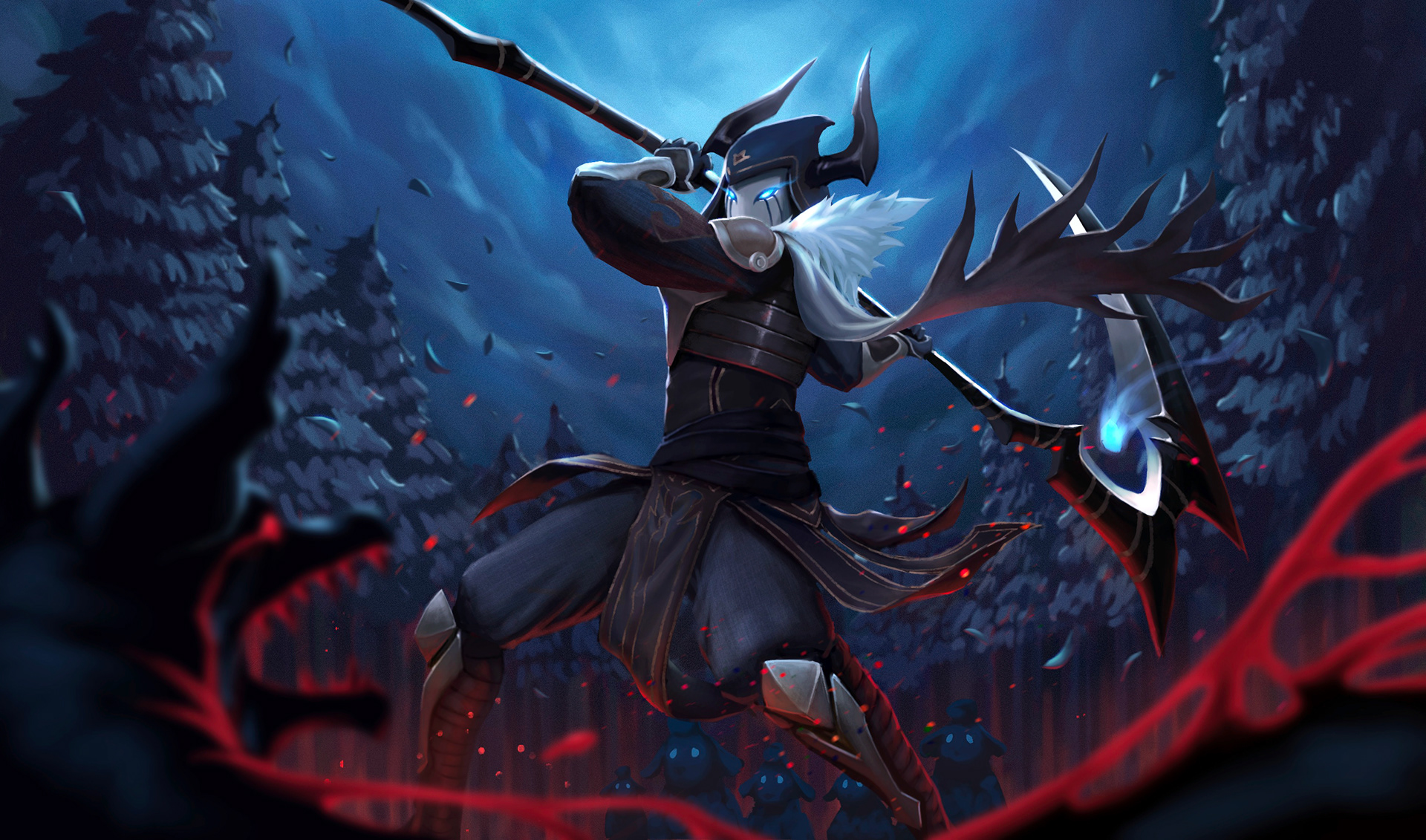
Promo (c) Benjamin Yin
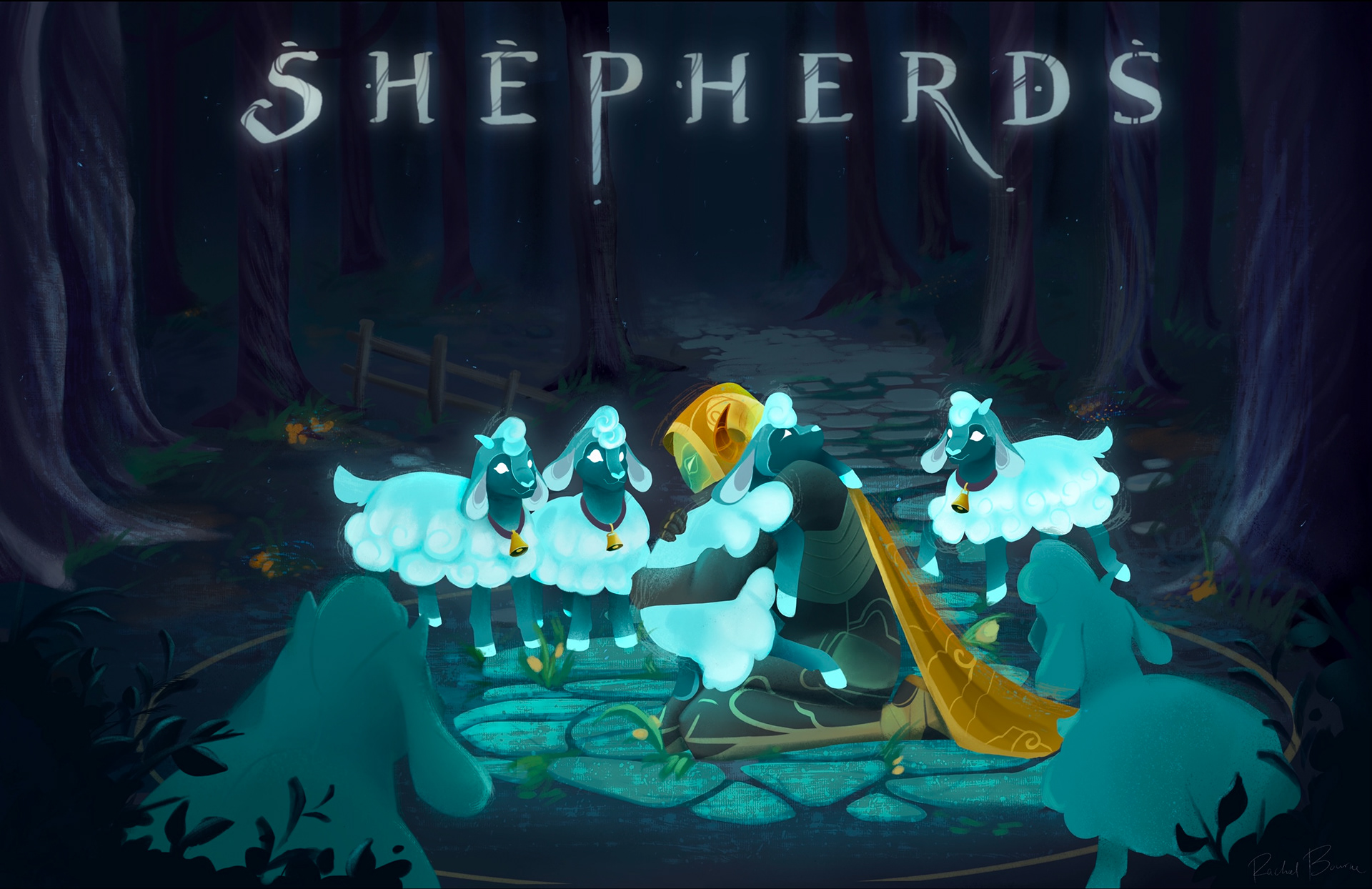
Promo (c) Rachel Bourne
strengths and Weaknesses of the project
One of the most labor intensive parts of the game was determining the art style and playtesting the "core experience" of the game. Liminus successfully caters to a piece of gameplay many players despise which is "escorting the payload" or in our game, getting sheep to shrines.
We always wanted the sheep to feel important and we didn't want this to become a wolf slaying game. After many months, we were successful in finding the correct balance to reward players who liked to collect and protect their sheep and the players who would rather kill and destroy any wolf in sight.
We always wanted the sheep to feel important and we didn't want this to become a wolf slaying game. After many months, we were successful in finding the correct balance to reward players who liked to collect and protect their sheep and the players who would rather kill and destroy any wolf in sight.
The art style was developed by a unique team of over twelve artists. We unexpectedly had the illustration majors join us for a term and they immediately bolstered our concept art as we went out to develop a mythology and "other-worldly" feeling game.
The greatest struggle from the game was 1) our lack of knowledge on how to best optimize the programming of the game 2) our ever changing programming team. The game's FPS can chug on one of the levels and during our many months of experimenting and discovering the elements that made our game; we should have completely refactored our code and started from scratch on a program facing side.
Regardless, our FX, music, animation, art design, and overall ambience shines strong even when the wolves lack a brain, the FPS can chug, and there's a million little bugs that we had to work around because of our hard dependencies and other c++ coding I don't understand as a blueprint developer.
I am grateful for the team it took to develop this game and all we learned. Especially as I went out to tell a story on a new take of the grim reaper.
I am grateful for the team it took to develop this game and all we learned. Especially as I went out to tell a story on a new take of the grim reaper.
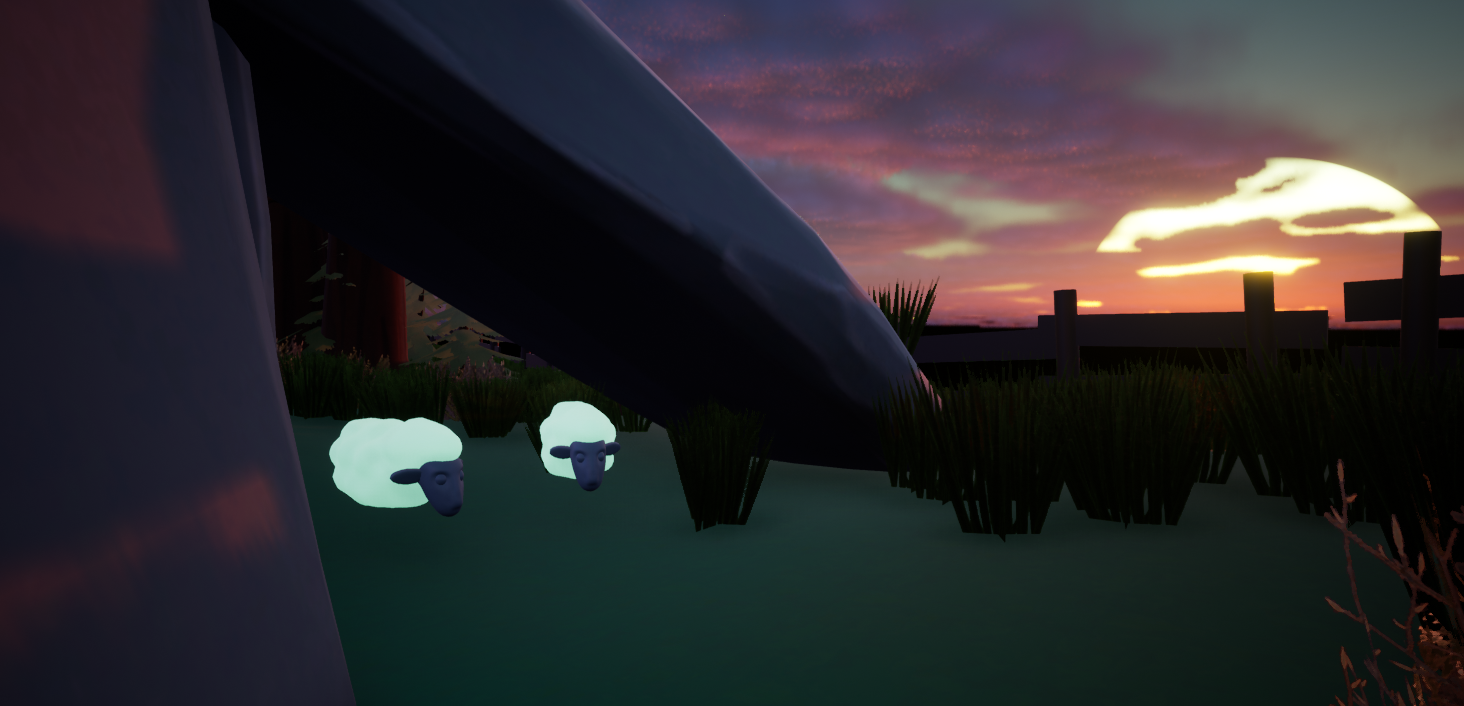
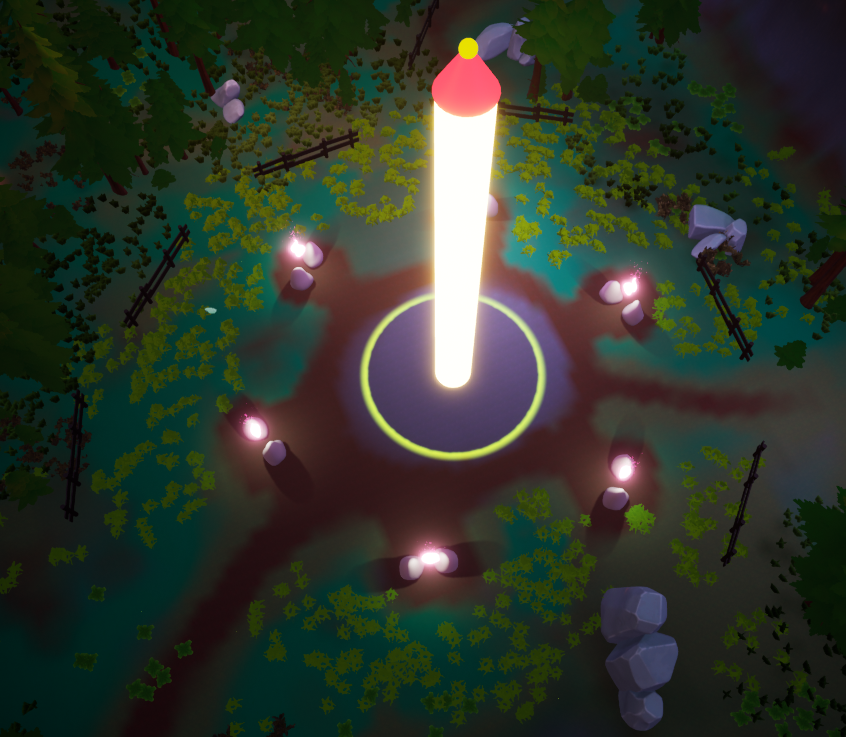
Early prototyping screenshots